

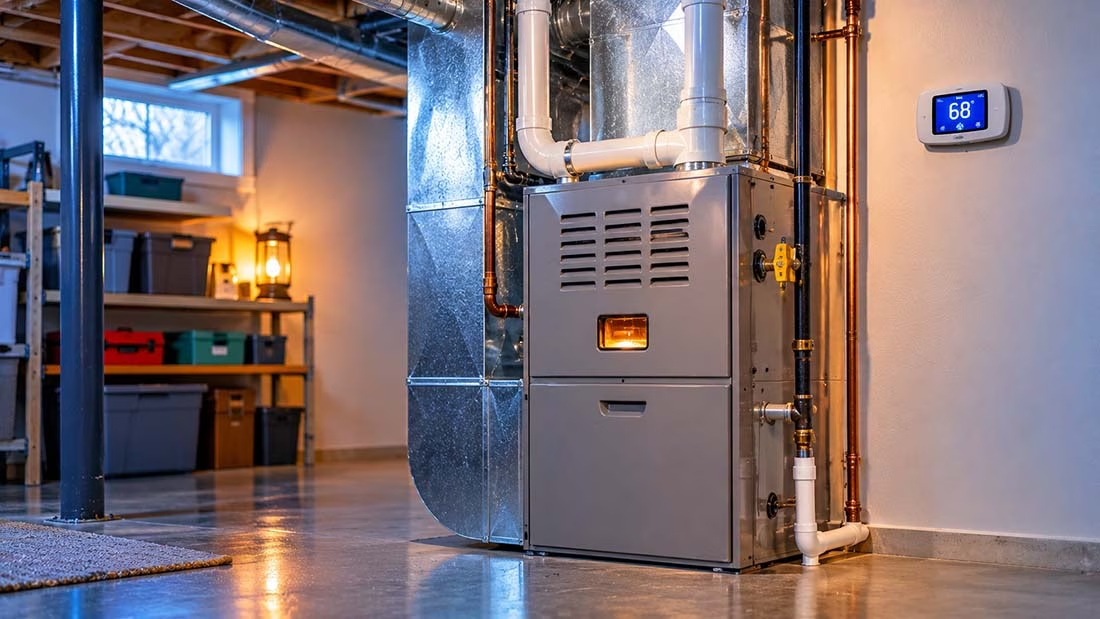
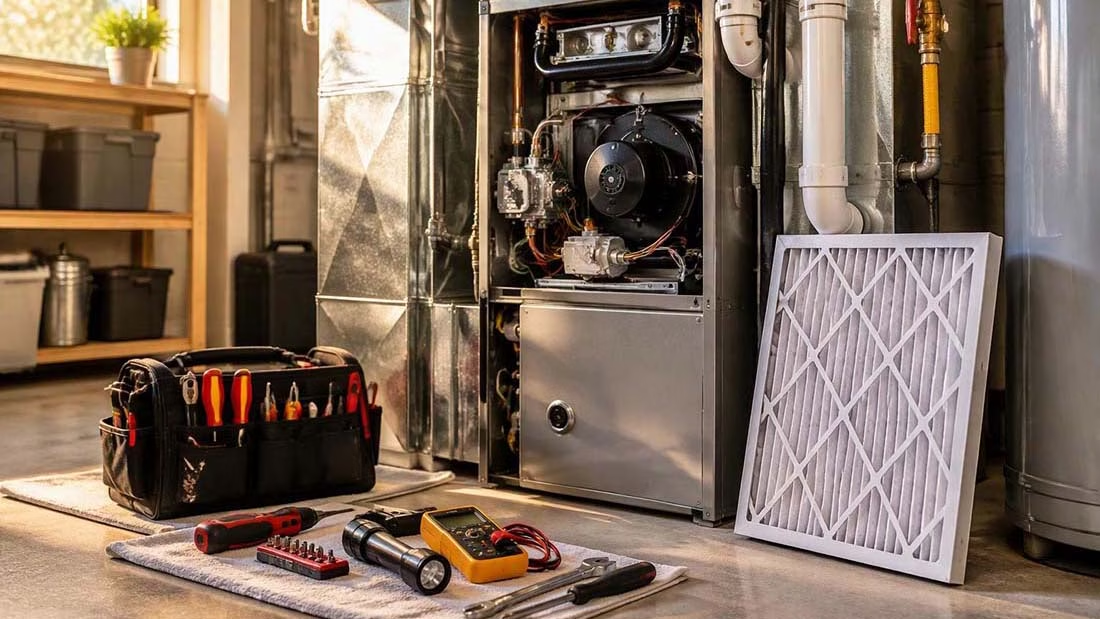

A furnace might seem fine because it turns on and produces warm air, but that doesn’t always mean every component is working as it should. Dust buildup, loose electrical connections, and worn parts can affect how well the system performs, sometimes without obvious warning signs.
A yearly furnace tune up gives an HVAC technician a chance to examine the equipment, clean important components, and check for developing problems before the heating season gets busy. If you’re wondering what happens during this service, how much it costs, or whether it’s worth scheduling, here’s what homeowners should know.
What Is a Furnace Tune Up?
A furnace tune-up is a professional maintenance visit that focuses on the condition, safety, and performance of your heating system. Instead of waiting for something to stop working, a technician checks the equipment and addresses maintenance needs before they turn into bigger concerns.
During a typical appointment, the technician examines internal components, tests the ignition system, checks airflow, and makes adjustments where necessary. The exact work depends on your furnace type, its age, and the manufacturer’s maintenance instructions.
A furnace tune up is not the same as a repair visit. If the technician discovers a damaged motor, faulty control board, or another defective part, fixing it may require a separate charge.
What Does a Furnace Tune Up Include?
The work can vary between HVAC companies, but a professional appointment generally covers several important areas.
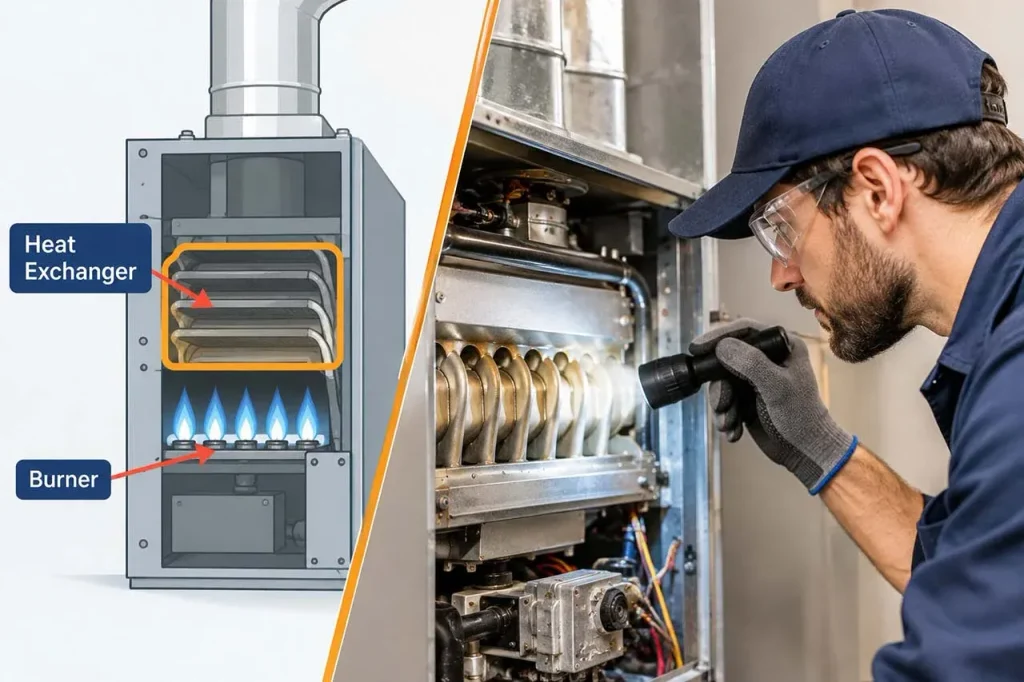
1. Inspect the Heat Exchanger
The heat exchanger separates combustion gases from the air circulating through your home. A technician examines it for visible cracks, corrosion, or other damage that could create a safety concern.
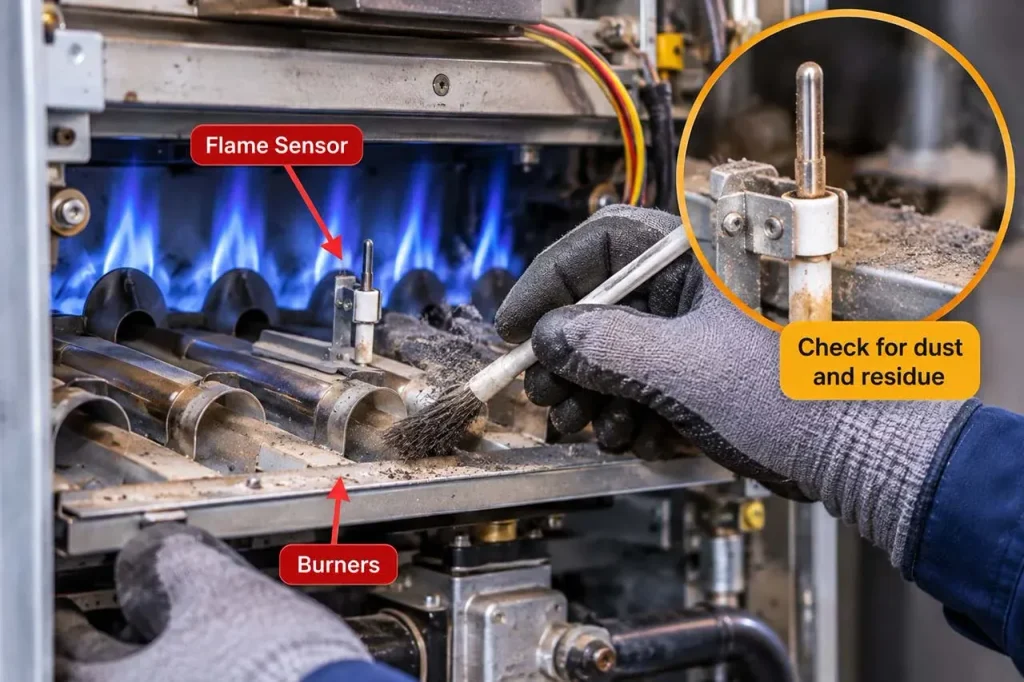
2. Clean the Burners and Flame Sensor
Dust and residue can collect around combustion components over time. The technician checks the burners and cleans them when necessary. The flame sensor is also inspected to make sure it can detect the burner flame correctly.
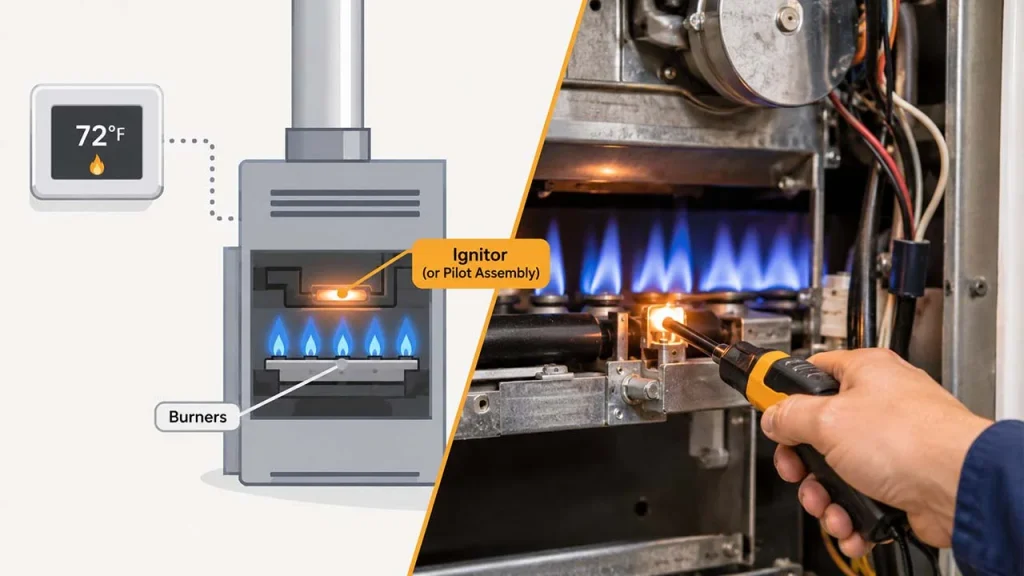
3. Check the Ignition System
The ignition system is responsible for starting the furnace when heat is requested. A technician tests the ignitor or pilot assembly, depending on the equipment, to confirm that the startup sequence works properly.
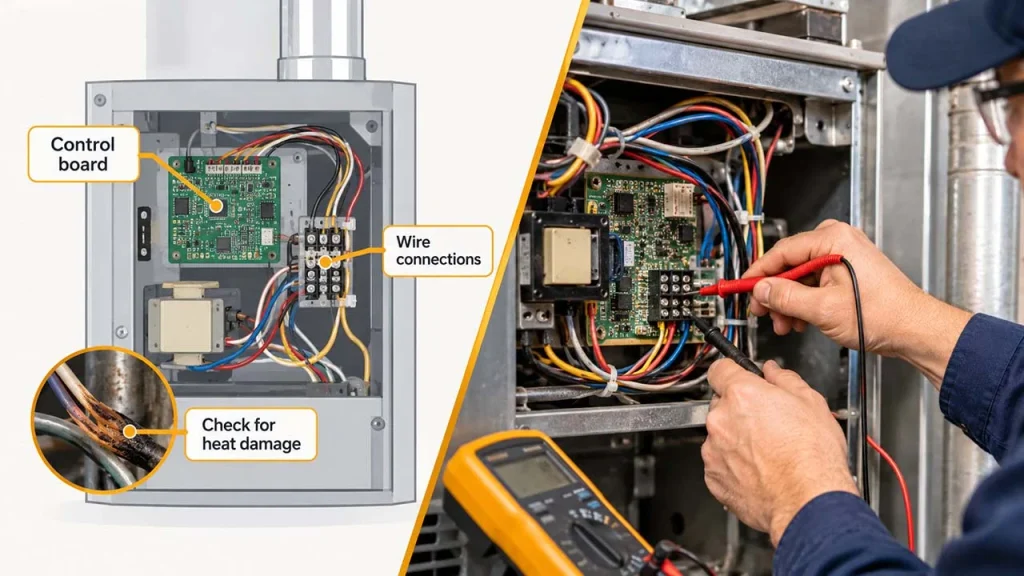
4. Inspect Electrical Connections
Loose connections and worn wiring can interfere with furnace operation. The technician examines accessible electrical components, checks relevant controls, and looks for signs of overheating or damage.
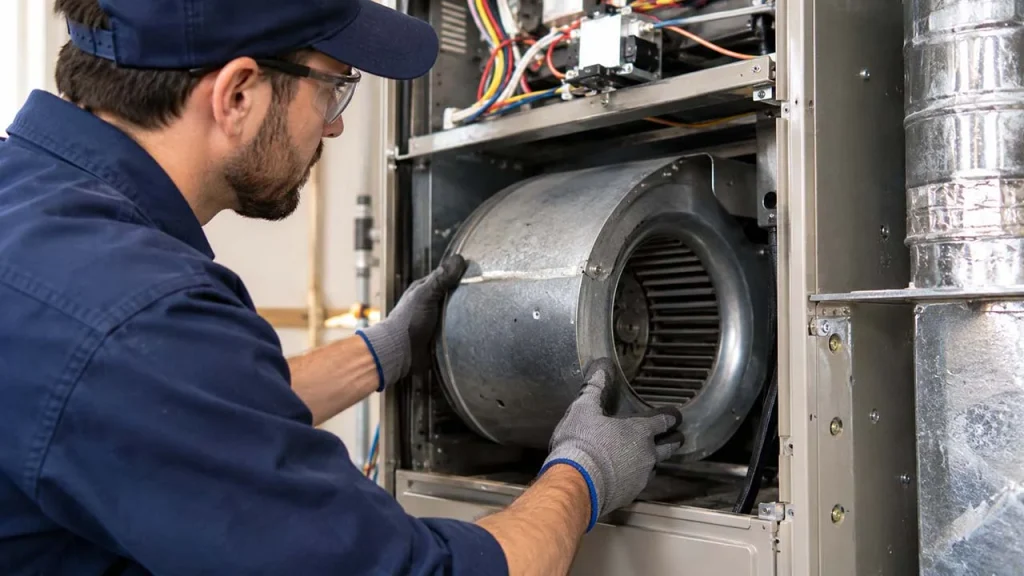
5. Examine the Blower and Motor
The blower moves heated air through the ductwork. Its condition affects how effectively warm air reaches different rooms. The technician checks the blower assembly, motor, and related components for dirt, wear, and unusual operation.
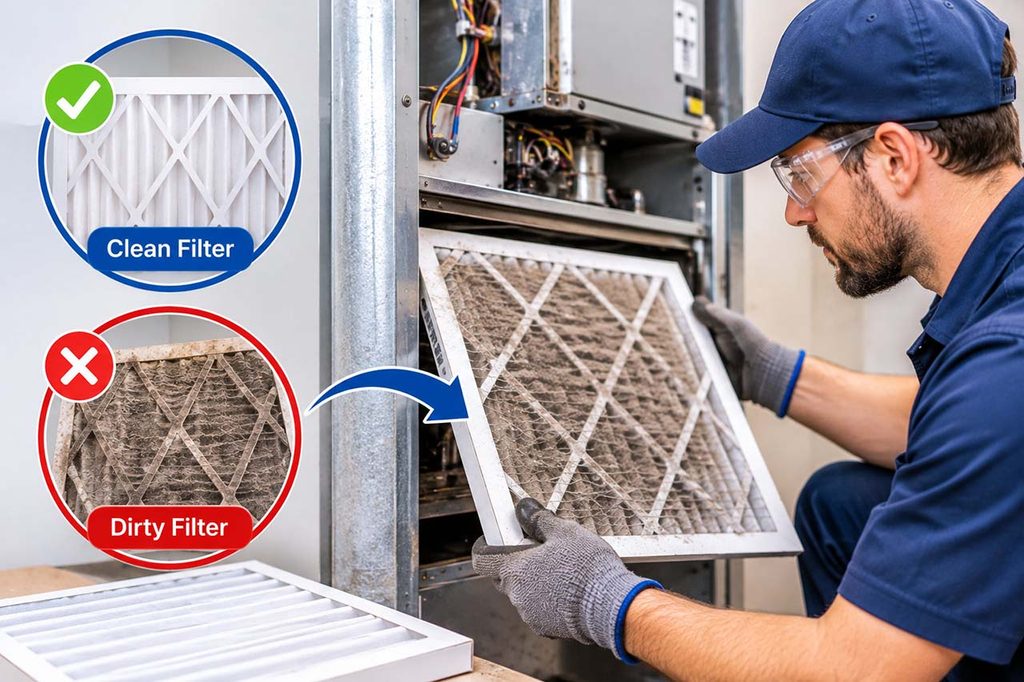
6. Check the Air Filter
A dirty filter can restrict the amount of air moving through the furnace. The technician checks its condition and may replace it if necessary. Filter replacement may be included in the service price or charged separately.
7. Test the Thermostat
The thermostat should communicate properly with the furnace and maintain the selected temperature. The technician checks its operation and looks for problems that could cause inaccurate readings or irregular heating cycles.
8. Inspect Gas Pressure and Venting
For gas furnaces, the technician checks the fuel supply, examines accessible gas connections, and verifies that pressure is within the manufacturer’s specifications. The exhaust vent is also examined to make sure combustion gases can leave the home safely.
These checks form the foundation of a professional furnace tune up checklist, although the exact inspection points depend on the furnace model.
How Much Does a Furnace Tune Up Cost?
The furnace maintenance cost depends on the type of system, the amount of work included, and local HVAC labor rates.
For US homeowners, a standard professional tune-up generally falls between $70 and $200. A basic inspection may cost less, while a more detailed appointment involving additional cleaning and testing can cost more.
Here’s a general breakdown:
| Service | Estimated cost ($) |
|---|---|
| Basic furnace inspection | 70–130 |
| Full furnace tune-up | 130–200 |
| Furnace cleaning | 70–300 |
| Annual maintenance plan | 150–500 |
These are general US estimates, not fixed quotes. The final price depends on the provider and service details.
What Affects the Final Price?
Several things can change your total furnace service cost:
- Furnace type: Gas, electric, and oil systems have different maintenance requirements.
- System condition: Equipment that hasn’t been serviced in several years may need additional attention.
- Cleaning requirements: Removing heavy dirt buildup can involve more labor than routine maintenance.
- Location: HVAC companies in larger cities may charge more for labor and service calls.
- Additional repairs: Replacing faulty components is generally billed separately from a standard tune-up.
Your furnace inspection cost may also differ from the price of a complete maintenance appointment. Ask the company exactly what its quoted price covers before agreeing to the service.
Is a Furnace Tune Up Worth It?
For most homeowners, regular maintenance is a sensible way to look after an important household system. It doesn’t guarantee that the furnace will never break down, but it can help identify problems before they become more serious.
Here are some reasons to schedule one:
Helps Identify Problems Early
A technician may notice worn components, loose connections, or unusual readings before they cause a complete system failure. Finding these issues early gives you time to consider your repair options.
Supports Better Heating Performance
When important components are clean and properly adjusted, the furnace has a better chance of delivering consistent heat throughout the house.
Keeps Safety Checks on Schedule
Gas furnaces involve combustion and exhaust gases. Professional testing can help identify concerns involving the heat exchanger, fuel supply, ventilation, and carbon monoxide.
May Reduce Unnecessary Energy Use
Dirt buildup and restricted airflow can make a heating system work harder than necessary. Proper maintenance helps keep the equipment operating according to its specifications.
Helps Look After the Equipment
Routine inspections give technicians an opportunity to identify wear before it causes additional strain on other components. This may help reduce avoidable damage over time.
Furnace Tune Up Checklist: What Homeowners Should Check
Professional servicing is important, but there are a few simple things you can do between appointments.
- Check the air filter regularly and replace it when needed.
- Keep furniture and stored items away from heating vents.
- Make sure the thermostat responds to temperature changes.
- Listen for new rattling, buzzing, or banging sounds.
- Check for unusual odors when the furnace starts.
- Keep the area around the furnace free from clutter.
- Make sure smoke and carbon monoxide alarms are working.
This furnace tune up checklist covers basic homeowner tasks, not a replacement for professional maintenance. Never attempt to adjust gas pressure, open electrical components, or dismantle combustion equipment yourself.
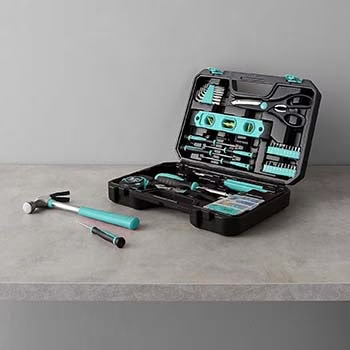
Having a basic tool kit at home can make these routine maintenance tasks easier. A few essential hand tools are useful for small jobs around the house, not just furnace maintenance.
The Amazon Basics 142-piece tool kit offers essential hand tools for everyday home repairs and maintenance, all in one compact storage case.
When Should You Schedule a Furnace Tune Up?
Early fall is usually a convenient time to arrange service, before HVAC companies become busy with heating emergencies. Your furnace can then be checked before you start relying on it regularly.
Most manufacturers and HVAC professionals recommend annual maintenance. If your furnace makes unusual noises, struggles to heat the house, or repeatedly switches on and off, arrange an inspection rather than waiting for the next scheduled appointment.
Final Thoughts
A furnace can continue producing heat while developing problems that aren’t immediately noticeable. Having it checked once a year gives you a better understanding of its condition and helps you address maintenance needs before winter.
A professional furnace tune up is generally a modest expense compared with many major heating repairs. Before booking, compare the services included in the quote, ask about additional charges, and choose a qualified HVAC technician who follows your furnace manufacturer’s recommendations.
Fall Home Maintenance Checklist: 15 Repairs to Make Before Winter
Furnace Maintenance Checklist: What to Check Before Winter
No Comment! Be the first one.