

You turn up the thermostat expecting warm air, but the house still feels cold. Maybe the furnace blowing cool air, or perhaps it starts for a few seconds and shuts off again. When your furnace not heating becomes a problem on a cold morning, it’s easy to wonder whether you’re facing an expensive repair. Before calling for service, there are a few things worth checking yourself. Some heating problems have simple causes, such as a dirty air filter, a tripped breaker, or blocked vents. Others need an HVAC technician to diagnose and repair them. Here are 10 common reasons your furnace may not be heating your home and what you can safely do about each one.
What to Check First When Your Furnace Stops Heating
Before inspecting individual components, check these basic things:
- Thermostat: Make sure it’s set to Heat and the temperature is higher than the current room temperature.
- Air filter: Check whether dust and debris are blocking airflow.
- Furnace power: Take a quick look at the power switch near your furnace and make sure it hasn’t been switched off. .
- Circuit breaker: Check whether the furnace breaker has tripped.
- Air vents: Take a quick look around each room and make sure rugs, furniture, or stored items aren’t getting in the way of air flowing through the vents.
If these checks don’t solve the problem, one of the following issues may be responsible.
10 Common Reasons Your Furnace Is Not Heating
1. Incorrect Thermostat Settings
A thermostat that isn’t set correctly can prevent your heating system from starting. Someone may have accidentally changed the settings, or a programmed schedule may be lowering the temperature.
Set the thermostat to Heat and raise the target temperature a few degrees above the current room reading. If the display is blank, try replacing the batteries if your model uses them.
If your furnace not turning on despite the correct settings, the thermostat itself may need inspection.
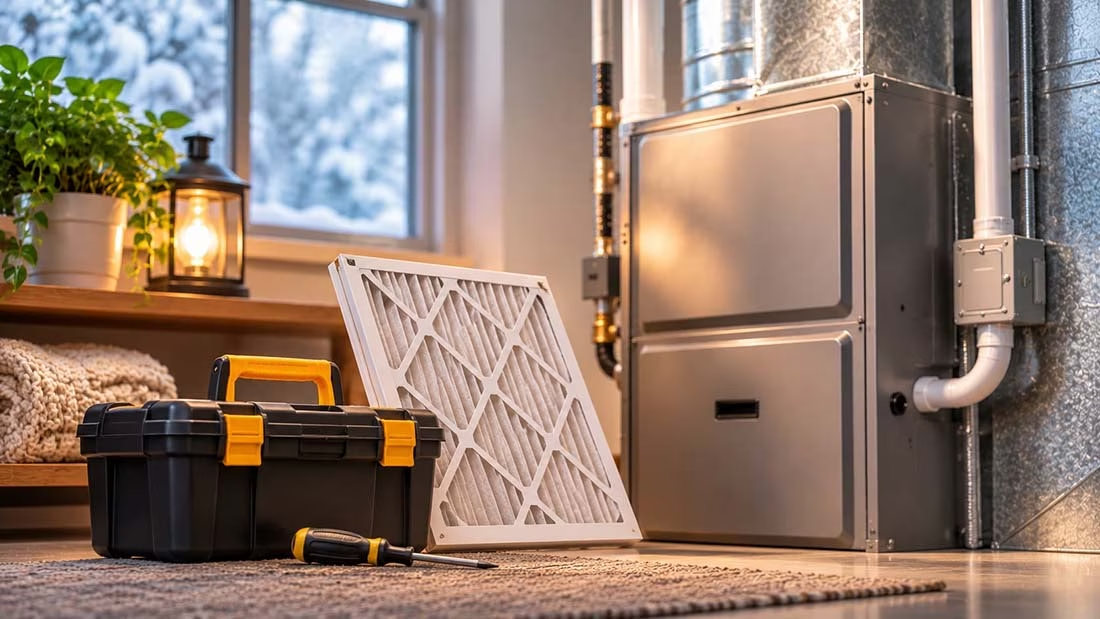
2. Dirty or Clogged Air Filter
Air filters collect dust, pet hair, and other particles over time. When too much debris builds up, airflow becomes restricted.
This can cause the furnace to overheat and activate a safety switch that shuts down the burners.
If you’re dealing with a furnace not heating and notice weaker airflow than usual, the filter is a good place to start checking.
Replace it if it’s dirty, following the manufacturer’s recommended filter size and type.
3. Electrical Power Problems
Even though a gas furnace uses natural gas for heating, it still needs electricity to run its controls, ignition system, and blower motor. A power interruption can stop the entire system.
If you have a furnace not heating your home, start by checking the simple things. Look for the furnace power switch, which often looks like a regular light switch near the unit. Make sure it hasn’t been accidentally turned off. Then check your home’s electrical panel for a tripped furnace breaker.
If the breaker has tripped, you can reset it once if there are no signs of damage or other electrical hazards. If it trips again, leave it alone and contact an HVAC technician. Repeated trips usually indicate an electrical problem that needs attention.
4. Blocked Air Vents
Your furnace needs proper airflow to distribute warm air throughout the house. Furniture, curtains, rugs, and storage boxes can block supply vents or return grilles, making some rooms feel colder than others.
Walk through each room and check that the vents aren’t covered. Move anything sitting directly over them, and make sure rugs aren’t blocking floor registers. Also, check that return air grilles have enough open space around them.
If one room stays cold while the rest of the house feels comfortable, the problem could involve restricted ductwork, an airflow imbalance, or another heating issue that needs further inspection.
5. Faulty Ignition System
When your thermostat calls for heat, the furnace uses an ignition system to light the burners. Most newer models use electronic ignition, while some older furnaces still rely on a standing pilot light.
If the igniter fails, the furnace may start its heating sequence but never produce a flame. You might hear repeated clicking or notice the system attempting to start before shutting down. A furnace not heating after several failed ignition attempts may also display a blinking error light.
You can look through the small viewing window, if your furnace has one, to see whether an error light is flashing. Check the manufacturer’s manual for the meaning of the flashing pattern and share it with your HVAC technician.
Don’t remove furnace panels or attempt to repair the ignition system yourself. A technician can test the igniter and related components and replace any faulty parts. Regular furnace maintenance can help catch some of these problems before they interrupt your heating.
6. Dirty or Faulty Flame Sensor
The flame sensor checks whether the burners have successfully ignited. If it becomes dirty or stops working correctly, the furnace may shut off the gas supply shortly after the burners light.
One common sign is a furnace that starts normally, produces a flame for a few seconds, and then shuts down. It may repeat this process before eventually stopping.
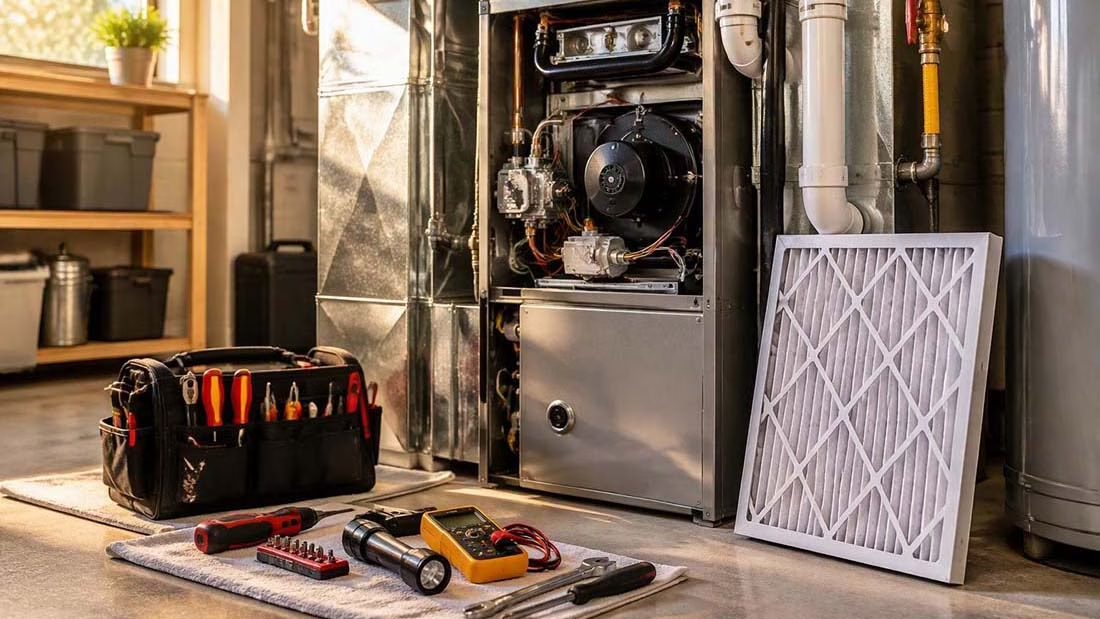
Although a dirty sensor can sometimes be cleaned, accessing it involves opening the furnace and working around internal components. It’s best to have an HVAC technician inspect the sensor, clean it when appropriate, and check whether it needs replacement.
7. Interrupted Gas Supply
A gas furnace cannot produce heat without a reliable fuel supply. A service interruption or problem with the gas supply can prevent the burners from lighting.
If your furnace stops working, check whether other gas appliances, such as your stove, are working normally. If they aren’t working either, there may be an interruption affecting your home’s gas supply. Contact your gas utility to ask whether there is a service issue.
Don’t remove gas connections, adjust the gas valve, or attempt to repair a gas line yourself. If you smell rotten eggs or another strong gas odor, leave the house immediately. Don’t operate electrical switches or use electronic devices inside. Contact your gas utility or emergency services from a safe location.
8. Malfunctioning Blower Motor
The blower motor pushes heated air through the ductwork and into your rooms. If it stops working, the furnace may produce heat without distributing it properly.
You might notice very weak airflow, unusual humming sounds, or a furnace that runs without warm air reaching the vents.
Before assuming the motor has failed, check that the supply vents and return grilles aren’t blocked and that the air filter isn’t heavily clogged. If these basic checks don’t help, the problem could involve the blower motor, capacitor, or control system.
These components require electrical testing, so have a qualified HVAC technician inspect the system and identify the faulty part.
9. Clogged Condensate Drain
High-efficiency furnaces produce condensation during normal operation. This water normally drains through a dedicated pipe, often leading to a floor drain or condensate pump.
If the drain becomes blocked, water can collect inside the system and activate a safety switch. This may cause the furnace to shut down to prevent water damage.
Check around the furnace for standing water, damp spots, or signs of leakage. If you can see water collecting near the drain or condensate pump, avoid opening the furnace or bypassing any safety switch. Arrange professional service to have the drainage system inspected and cleared.
10. Leaking or Damaged Ductwork
Sometimes the furnace works properly, but heated air escapes through damaged or poorly connected ducts before reaching your rooms.
Loose connections, holes, and damaged insulation can reduce heating performance. You may notice that rooms farther from the furnace stay colder, even when nearby rooms feel comfortable.
Start by checking any accessible ductwork for visible gaps, loose connections, or damaged insulation. Also, compare the airflow coming from different vents. If certain rooms consistently receive less warm air, have an HVAC technician inspect the ductwork for leaks or restrictions.
Repairing damaged ducts can help improve airflow and make heating more consistent throughout the house.
Why Is My Furnace Blowing Cold Air?
A furnace blowing cold air doesn’t always mean the heating system has failed. The blower may continue running after the burners switch off, especially when the thermostat fan setting is set to On instead of Auto.
Other possible reasons include:
- Ignition problems: The burners aren’t lighting properly.
- Dirty air filter: Restricted airflow causes the furnace to overheat and shut down.
- Gas supply interruption: The burners cannot produce heat.
- Thermostat settings: The fan operates independently of the heating cycle.
If your furnace not blowing hot air is the issue, check the thermostat and filter first. If the problem remains, turn off the system and arrange an inspection.
How Much Does Furnace Repair Cost?
The furnace repair cost depends on the faulty component, labor charges, and your furnace’s age and model.
A simple thermostat issue may be inexpensive to fix, while replacing a blower motor or control board can cost considerably more.
Before approving any work, ask the HVAC company for an estimate that includes parts, labor, diagnostic fees, and warranty details.
If your furnace needs frequent repairs, compare the expected repair expense with the cost of replacing the system.
When Should You Call an HVAC Technician?
Some furnace problems are easy to identify, but internal repairs require proper training.
Contact a qualified technician if:
- The furnace repeatedly starts and shuts down.
- The burners won’t ignite or stay lit.
- The circuit breaker trips repeatedly.
- You hear unusual banging or grinding sounds.
- Water collects around the furnace.
- Your furnace is not heating after basic troubleshooting.
If you suspect a gas leak or your carbon monoxide alarm sounds, leave the property immediately and contact emergency services.
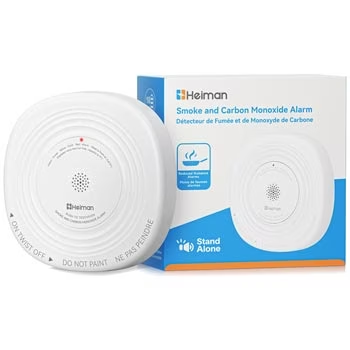
A carbon monoxide alarm is an important safety device in homes with fuel-burning appliances, including gas furnaces. Consider installing a UL-certified carbon monoxide alarm and follow the manufacturer’s instructions for placement and maintenance.
10-year battery providing long-term protection against dangerous carbon monoxide buildup in your home.
FAQs
Why is my furnace running but not producing heat?
The blower may be running while the burners remain off. Possible causes include ignition failure, a dirty flame sensor, or an interrupted gas supply.
Can a dirty filter stop a furnace from heating?
Yes. When the filter gets too dirty, your furnace has to work harder to pull air through it. This can cause the system to get too hot, triggering an automatic shutdown to protect its internal parts.
Why is my furnace not turning on at all?
Check the thermostat, batteries, power switch, and circuit breaker. If these are working properly, a faulty electrical connection, control board, or safety switch may be responsible.
How often should a furnace be serviced?
Schedule professional furnace maintenance at least once a year, preferably before the heating season begins. Regular inspections can help identify problems before they cause a breakdown.
How to Winterize a House Before the First Freeze: 10 Essential Steps
No Comment! Be the first one.