

Getting your house ready for winter doesn’t have to mean spending an entire weekend on repairs. A few checks around the property can help prevent frozen pipes, unwanted drafts, roof leaks, and heating problems when temperatures start dropping.
If you’re wondering how to winterize a house, start with the areas most likely to cause trouble during freezing weather. Check your plumbing, heating system, windows, roof, and outdoor spaces before the first freeze arrives. These 10 practical steps will help you prepare your home and catch small problems before they become bigger repairs.
1. Protect Exposed Water Pipes From Freezing
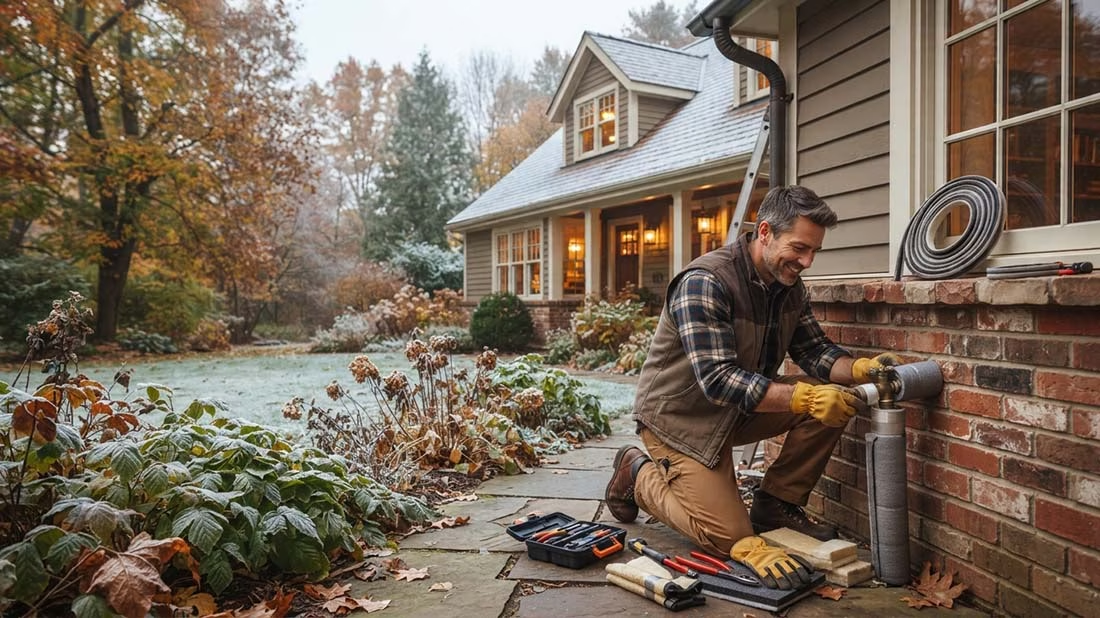
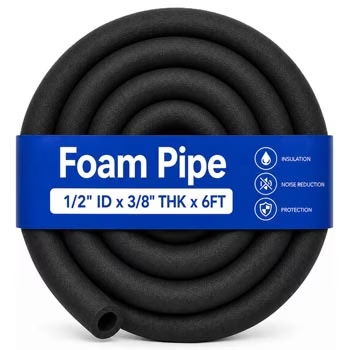
When temperatures drop, water inside unprotected pipes can freeze and put pressure on the plumbing, sometimes causing it to split. Take a look at pipes in colder parts of your house, especially the garage, basement, crawl space, and areas close to outside walls.
Cover exposed pipes with foam insulation sleeves, payingextra attention to sections near outside walls. Seal gaps around plumbing openings where cold air can enter. If temperatures are expected to drop sharply, keep vulnerable indoor areas warm.
Also, locate your home’s main water shutoff valve. Knowing where it is can help you respond quickly if a pipe starts leaking or bursts.
For Copper & PEX Water Pipes
2. Disconnect Garden Hoses and Protect Outdoor Faucets
Before cold weather arrives, take the garden hose off the outdoor faucet and put it away. Keeping it attached can prevent water from draining properly, allowing moisture to remain in the plumbing and freeze when temperatures fall. That water may freeze and cause damage.
Remove all garden hoses, drain them, and store them somewhere dry. If your outdoor faucets have separate indoor shutoff valves, close them and open the exterior faucets to release remaining water.
For faucets without an indoor shutoff, consider installing an insulated faucet cover. These small preparations are important parts of a winterize house checklist, especially in areas where overnight temperatures regularly fall below freezing.
3. Clean Gutters and Check Downspouts
Gutters filled with leaves, twigs, and dirt cannot move rainwater away from your roof properly. When temperatures fall, trapped water can freeze and contribute to ice buildup.
Clear out the debris and check that downspouts carry water away from your home’s foundation. Look for loose brackets, sagging sections, and visible damage while cleaning.
If you notice water collecting near the foundation, adjust the drainage where possible. Proper water flow helps prevent moisture from entering your basement or damaging the area around your home.
If your gutters are difficult to reach, hire a professional rather than climbing an unstable ladder.
4. Inspect Your Roof for Damage
A small roofing problem can become much worse when winter rain, snow, or ice arrives. Walk around your property and look for missing shingles, damaged flashing, loose gutters, or visible gaps around roof openings.
Pay attention to areas near chimneys, vents, and skylights because these locations can develop leaks.
You can inspect visible areas from the ground, but avoid climbing onto a steep or slippery roof. If you notice missing shingles, water stains, or other warning signs, arrange a professional inspection before severe weather begins.
5. Schedule Furnace and HVAC Maintenance
Your heating system may work harder during the colder months, so it makes sense to check it before you depend on it every day.
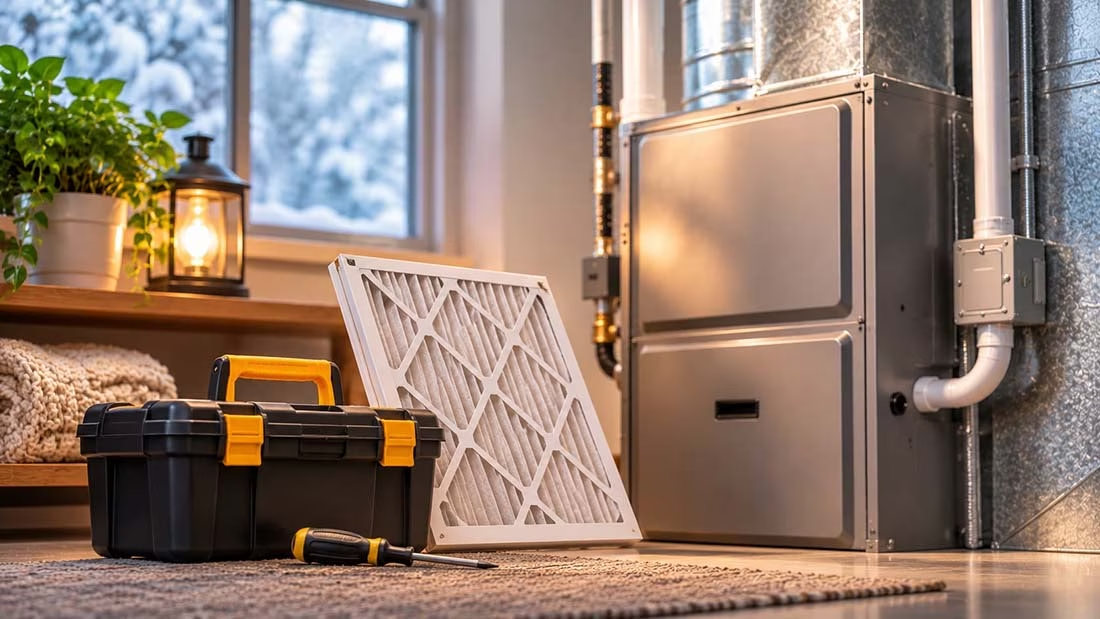
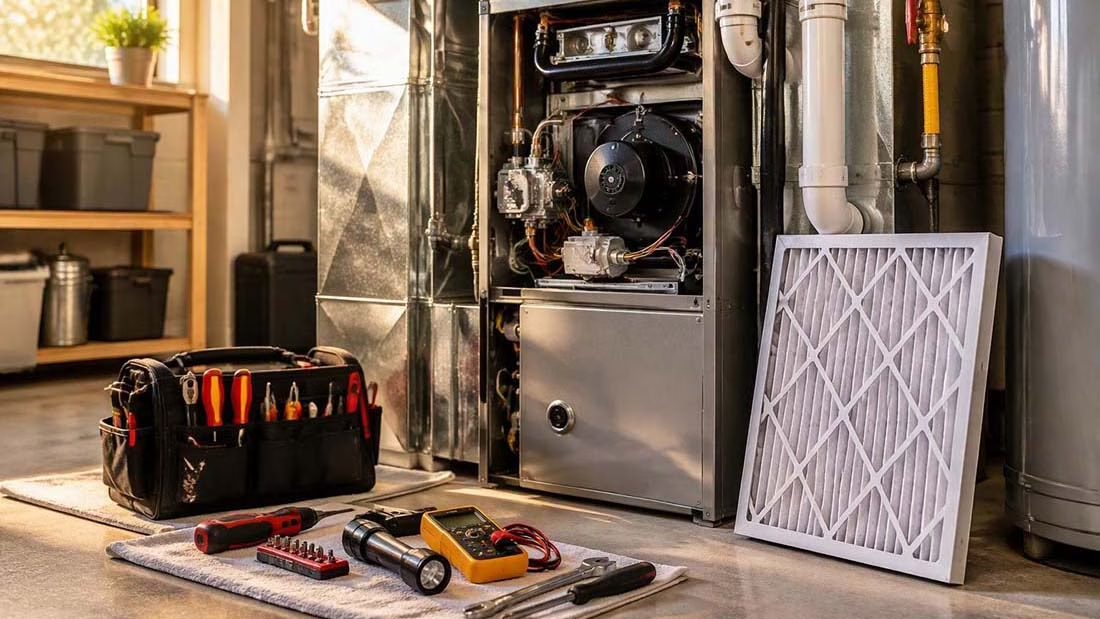
Arrange a professional furnace inspection if annual service is due. A technician can examine the system, check electrical connections, inspect safety controls, and identify problems that might affect performance.
You can also check the thermostat, inspect accessible vents, and replace the air filter according to the manufacturer’s recommendations.
This step is an important part of any winter home maintenance checklist because a heating problem is much easier to address before the coldest days arrive.
6. Seal Drafts Around Doors and Windows
Cold air entering through small openings can make certain rooms uncomfortable and cause your heating system to work harder.
Check around exterior doors and windows for damaged weatherstripping, cracked caulk, and noticeable air leaks. Replace worn weatherstripping and seal suitable gaps with exterior-grade caulk.
Don’t overlook less obvious areas, including attic access doors, basement windows, and openings where utility lines enter the house.
If you’re planning how to winterize a house without spending too much, sealing minor drafts is a sensible place to start. For larger gaps or insulation problems, consider getting professional advice.
7. Check Smoke and Carbon Monoxide Alarms
Home safety deserves attention before winter because heating equipment, fireplaces, and fuel-burning appliances may get more use during colder weather.
Test your smoke alarms and carbon monoxide detectors using their test buttons. Replace batteries when needed and check the manufacturer’s instructions for alarm replacement dates.
Install carbon monoxide alarms according to local requirements and manufacturer guidance, including outside sleeping areas and on each required level of the home.
Never ignore a carbon monoxide alarm. Leave the property and contact emergency services if it sounds.
8. Prepare Your Outdoor AC Unit
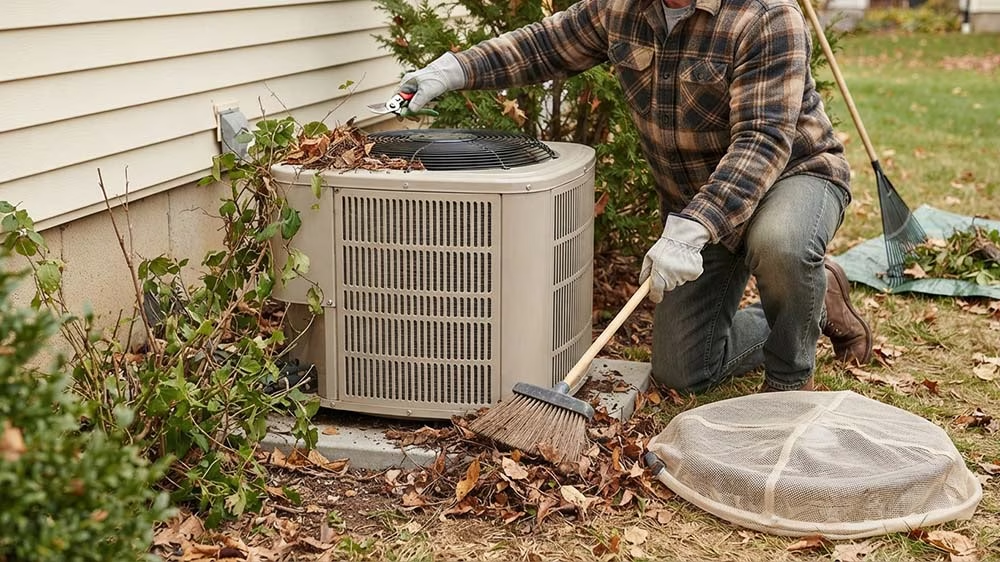
Even though your air conditioner may not be running during winter, its outdoor components still need attention.
Clear away anything that has collected near the outdoor AC unit, including fallen leaves, small branches, and dirt. Also, trim back nearby plants and move any stored belongings to another spot so the unit has enough open space around it.
If your manufacturer’s instructions recommend protection during winter, use an appropriate cover or top shield. Avoid wrapping the entire unit in plastic because trapped moisture can encourage corrosion.
This often-overlooked task deserves a place on your winterize house checklist, particularly if your outdoor equipment is exposed to falling branches, debris, or heavy snowfall.
9. Inspect Your Attic and Basement
Attics and basements can reveal problems that are easy to miss during everyday cleaning.
In the attic, look for damp insulation, water stains, signs of roof leaks, and gaps around openings. Check that insulation is in reasonable condition and that ventilation pathways are not blocked.
In the basement, look for moisture near walls, plumbing connections, windows, and the foundation. Pay attention to musty smells and signs of pests.
Addressing these problems early can help protect your home’s structure and improve indoor comfort. Add these checks to your winter home maintenance checklist rather than waiting until a problem becomes obvious.
10. Protect Outdoor Furniture, Plants, and Equipment
Before freezing temperatures arrive, walk around your yard and identify items that could be damaged by cold weather.
Bring delicate potted plants indoors or move them to a sheltered location. Store outdoor cushions, lightweight furniture, and garden tools somewhere dry. Cover furniture that cannot be moved using weather-resistant covers.
If you have an irrigation system, follow its manufacturer’s winterization instructions. Some systems need to be drained or professionally blown out to prevent frozen water from damaging pipes and sprinkler heads.
These final preparations help winterize your home beyond the walls of the house and protect outdoor belongings until warmer weather returns.
Final Thoughts
Preparing for winter is easier when you tackle potential problems before freezing temperatures arrive. Start with exposed pipes, outdoor faucets, gutters, and your heating system. Then work through the remaining areas to improve your home’s safety and comfort.
Use these steps as your winter home maintenance checklist and adjust them according to your local climate. If you’re still deciding how to winterize a house, remember that preventing water damage and keeping your heating system safe should come first.
A little preparation now can help you avoid unexpected repairs and enjoy a more comfortable winter.
FAQs
When should I winterize my house?
Start preparing in early fall, ideally several weeks before the first expected freeze. This gives you enough time to arrange professional inspections and fix problems before temperatures drop.
What is the most important step when winterizing a house?
Protecting exposed plumbing is one of the most important steps because frozen water can cause pipes to burst. You should also make sure your heating system is safe and working properly.
What temperature should I keep my house at during winter?
If you’re leaving your home temporarily during cold weather, keeping the thermostat at least 55°F is a commonly recommended precaution against frozen pipes. Homes with vulnerable plumbing may need additional protection.
Can I winterize my home myself?
Yes. Many tasks, including disconnecting hoses, sealing small drafts, cleaning accessible gutters, and checking alarms, can be handled by homeowners. Leave gas repairs, electrical work, roof repairs, and complex heating maintenance to qualified professionals.
Why Is My Furnace Not Heating? 10 Common Causes to Check
Fall Home Maintenance Checklist: 15 Repairs to Make Before Winter
No Comment! Be the first one.