

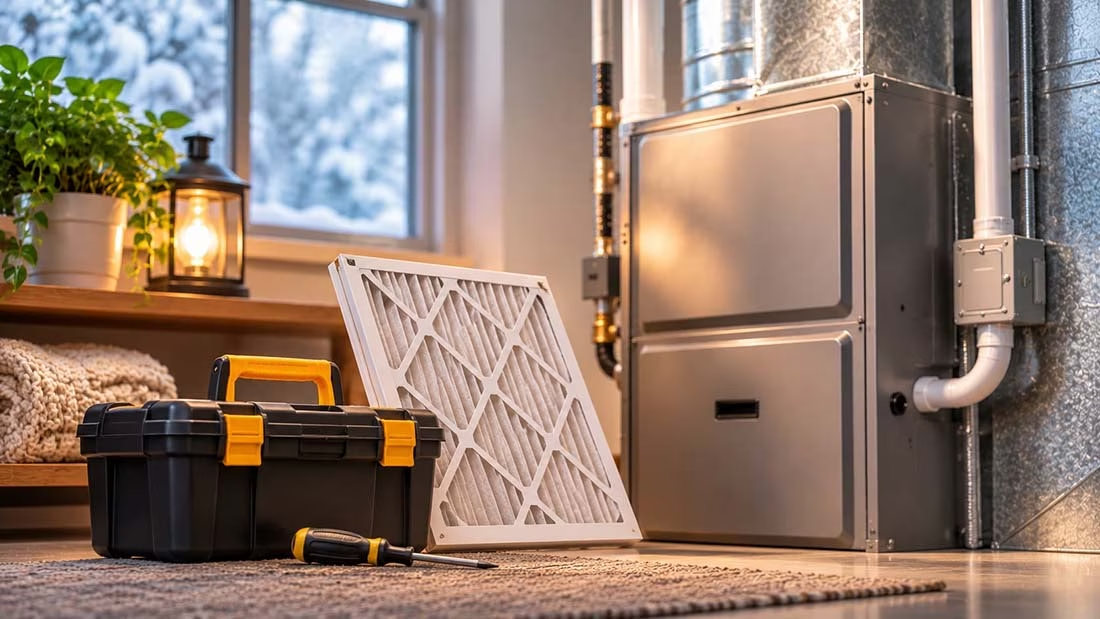
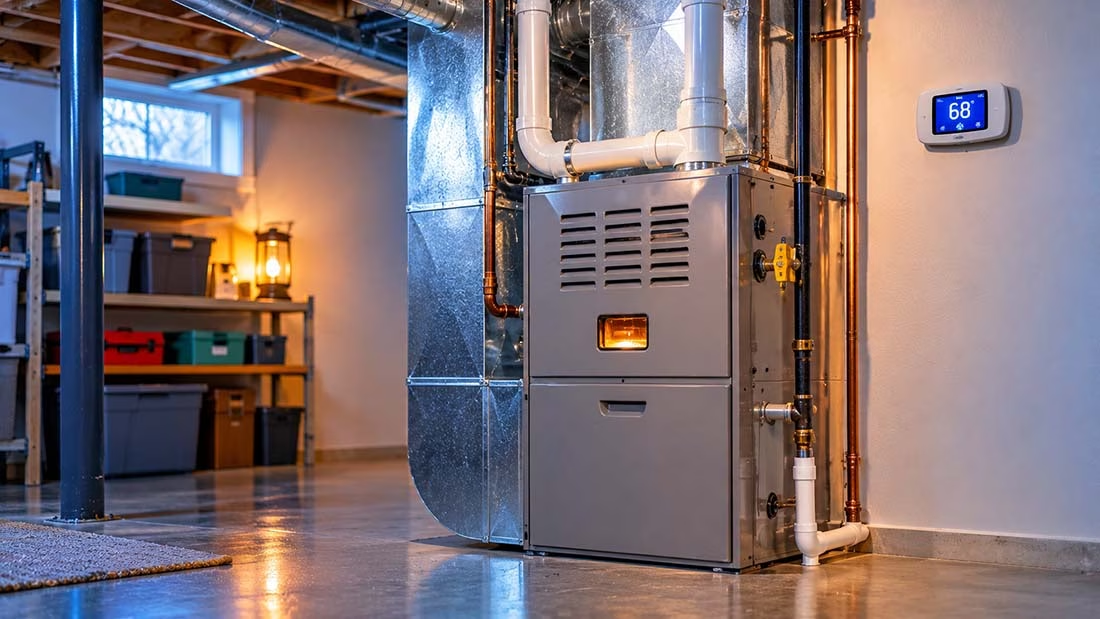
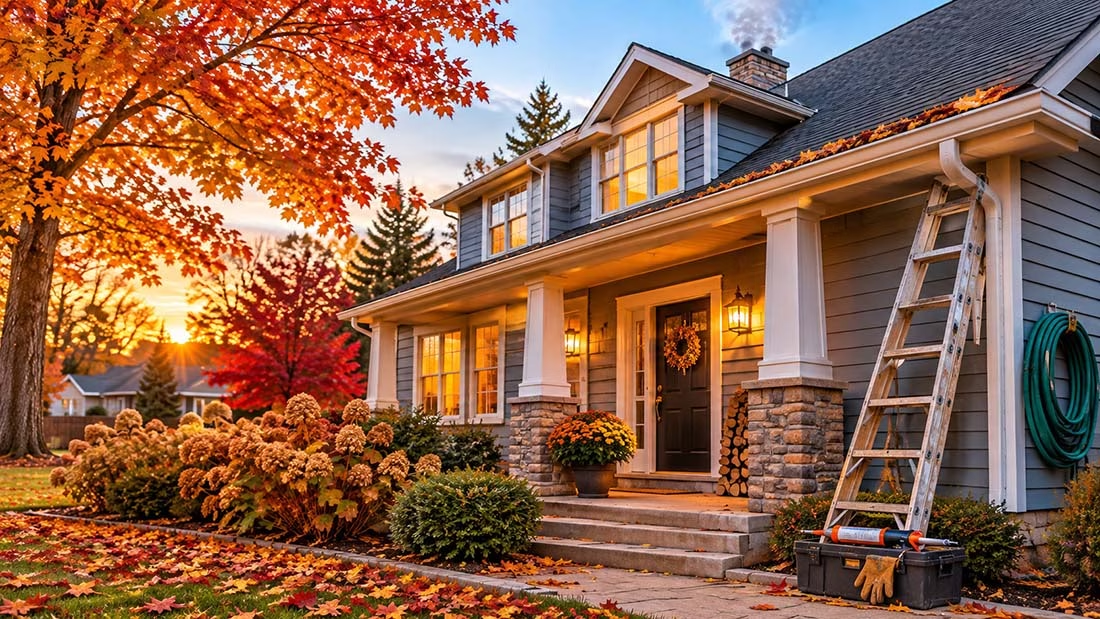

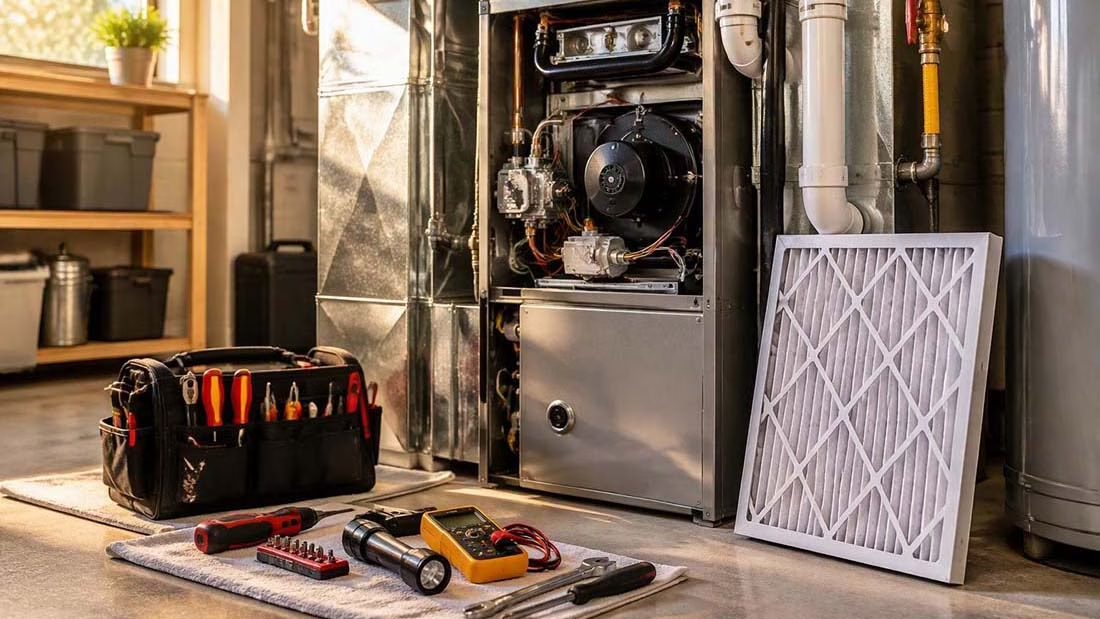
Before winter arrives, the last thing you want is a furnace that won’t turn on when you need it. A dirty filter, blocked vent, or small issue with the thermostat can affect how well your heating system works. Taking some time to check these things in the fall can help you avoid unexpected problems when temperatures drop.
This furnace maintenance checklist covers the basic tasks homeowners can handle themselves, along with the inspections that should be left to an HVAC professional. You don’t need special tools for most of the simple checks, but a yearly furnace maintenance visit is important for keeping the system safe and ready for the heating season.
Quick Furnace Maintenance Checklist
Before temperatures drop, go through this quick list to make sure you haven’t missed anything.
- Check and replace the furnace air filter.
- Test the thermostat and replace batteries if needed.
- Clean supply vents and return-air grilles.
- Clear storage and debris around the furnace.
- Check visible intake and exhaust openings.
- Test carbon monoxide and smoke detectors.
- Look for water leaks or visible damage.
- If your furnace produces condensation, make sure its drainage system isn’t showing signs of leaks or water buildup.
- Listen for unusual noises during operation.
- Run the furnace and confirm it produces heat.
- Schedule an annual professional inspection.
Following this furnace maintenance checklist each fall can help you prepare your heating system for winter and avoid discovering preventable problems on the coldest night of the year.
Furnace Maintenance Checklist: 10 Things to Check Before Winter
Work through these checks before you start using your furnace regularly. Some take only a few minutes, while others may require help from a technician.
1. Check and Replace the Furnace Air Filter
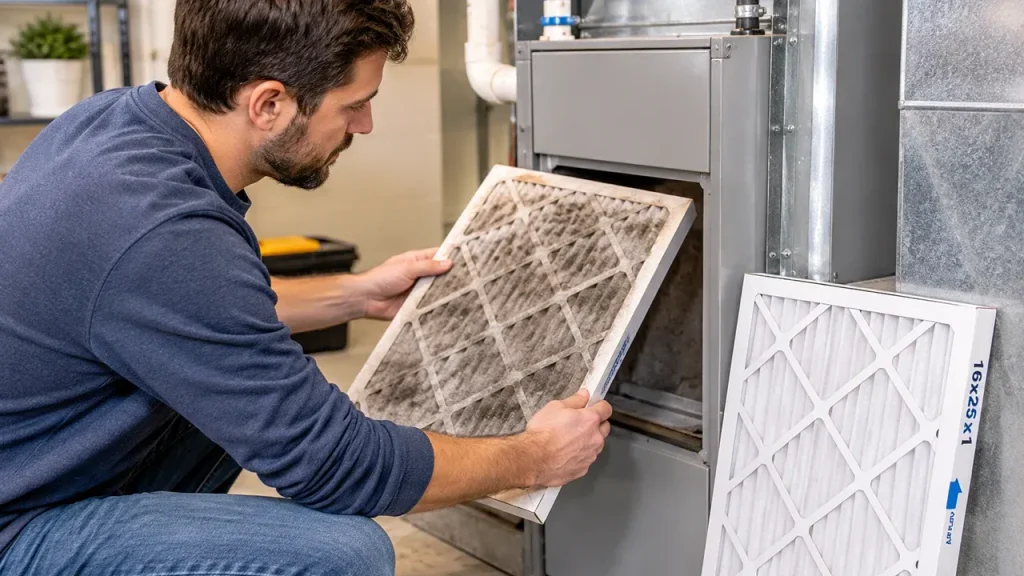
Start with the air filter. Over time, it collects dust, pet hair, and other particles that restrict airflow when the filter becomes clogged. This makes your furnace work harder to move warm air through the house.
Remove the existing filter and check its condition. If it looks dirty, replace it with one that matches the size and specifications recommended by your furnace manufacturer.
A few things to remember:
- Take a quick look at your furnace filter once a month while your heating system is in regular use to see if it needs replacing.
- Replace it according to the manufacturer’s instructions.
- Make sure the airflow arrow points toward the furnace.
- Don’t install a filter that’s too restrictive for your system.
A clean filter is one of the simplest ways to improve airflow and maintain consistent heating.
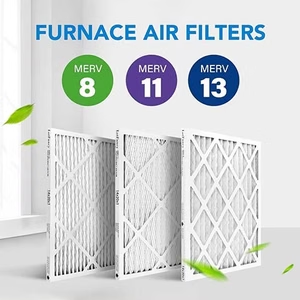
MERV 11 MPR 1000 AC Furnace Air Filter
Helps capture airborne particles for cleaner, fresher indoor air. Need a different air filter size? Click here to explore more options.
2. Test Your Thermostat
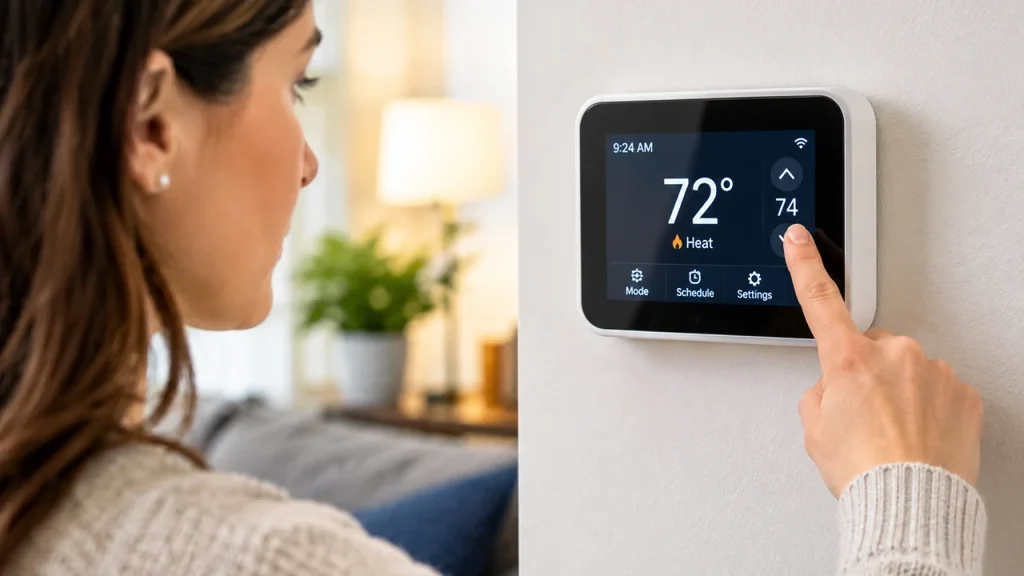
A thermostat that isn’t working correctly can make your home uncomfortable, even when the furnace itself is in good condition.
Set the thermostat to HEAT and raise the temperature a few degrees above the current room temperature. Wait to see whether the furnace starts and begins producing warm air.
Also check the following:
- Replace the batteries if your thermostat uses them.
- Make sure the temperature reading looks reasonable.
- Check that your heating schedule is correct.
- Look for loose or damaged wiring, but don’t attempt electrical repairs yourself.
If the furnace doesn’t respond or the temperature seems inaccurate, arrange a professional inspection.
3. Clean and Unblock Air Vents
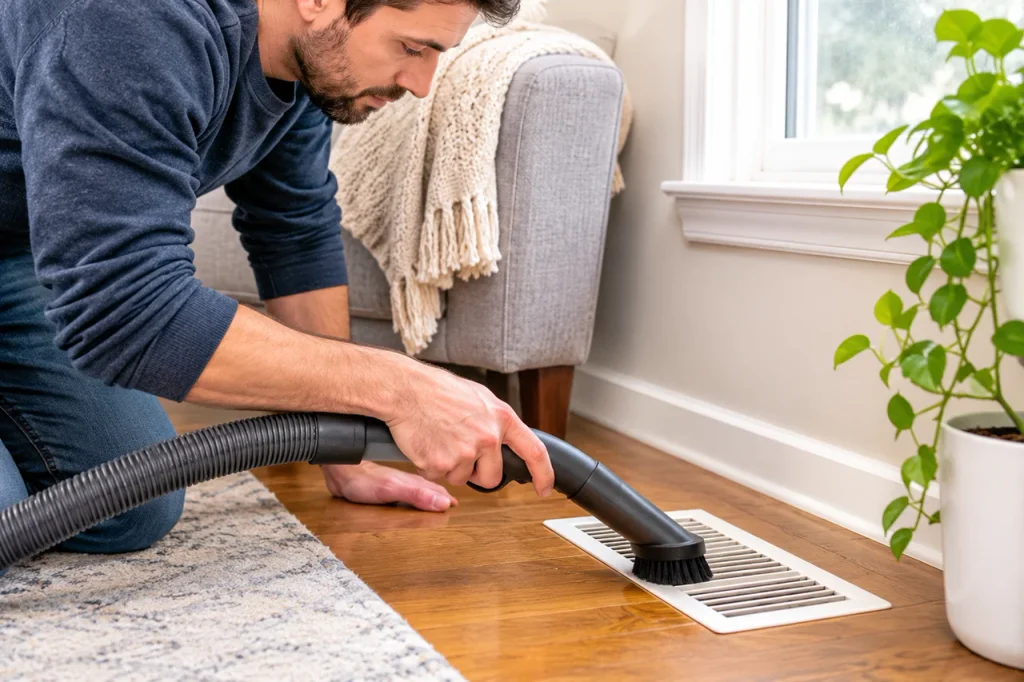
Walk through each room and check the supply vents and return-air grilles. Furniture, curtains, rugs, and dust can block airflow without you noticing.
Use a vacuum with a brush attachment to remove visible dust from the vent openings. Move furniture away from registers and make sure return grilles aren’t covered.
Don’t close multiple vents to force more heat into other rooms. This can affect airflow and put unnecessary strain on your heating system.
4. Clear the Area Around Your Furnace
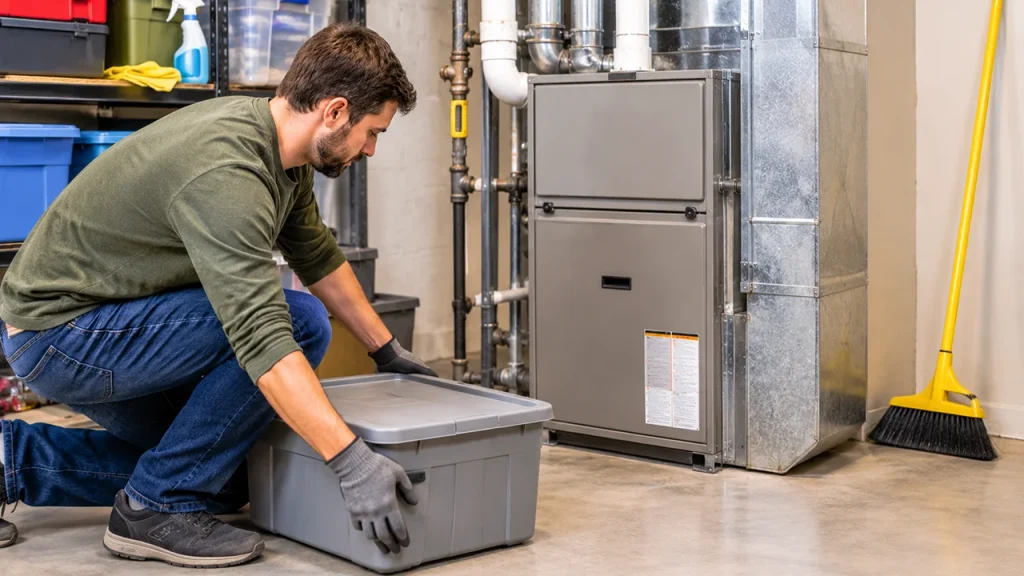
Take a look at the space around your furnace, especially if it’s installed in a basement, utility room, or storage area.
Boxes, cleaning products, paper, and other household items shouldn’t be piled around heating equipment. Keep the area clean and follow the clearance requirements in your furnace manual.
You should also:
- Remove dust and loose debris from the surrounding floor.
- Keep the furnace access panel unobstructed.
- Avoid storing gasoline, paint, or other flammable materials nearby.
- Make sure the area has the ventilation required by the manufacturer.
Keeping this space clear improves access for servicing and reduces potential fire hazards.
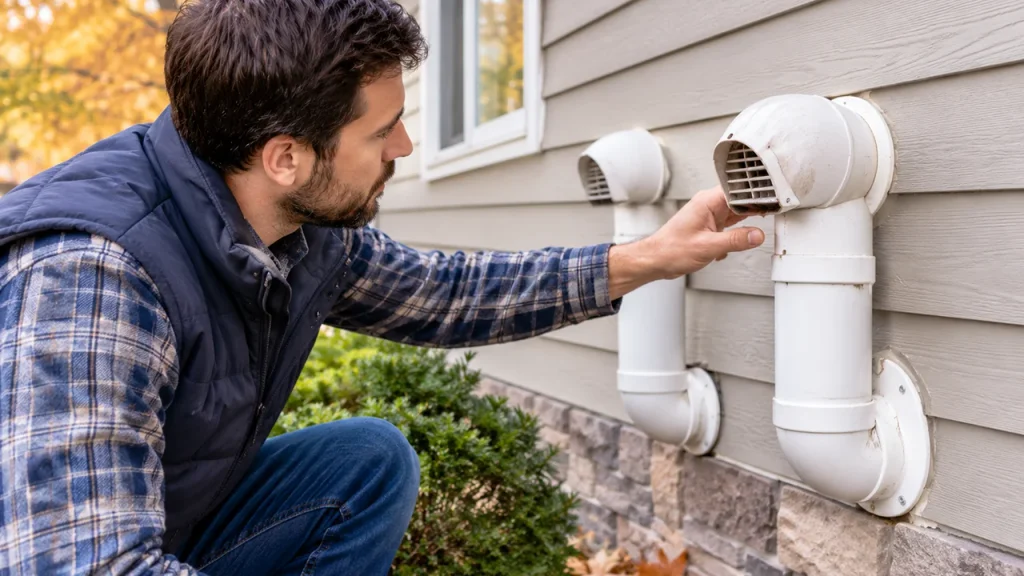
5. Check the Furnace Intake and Exhaust Pipes
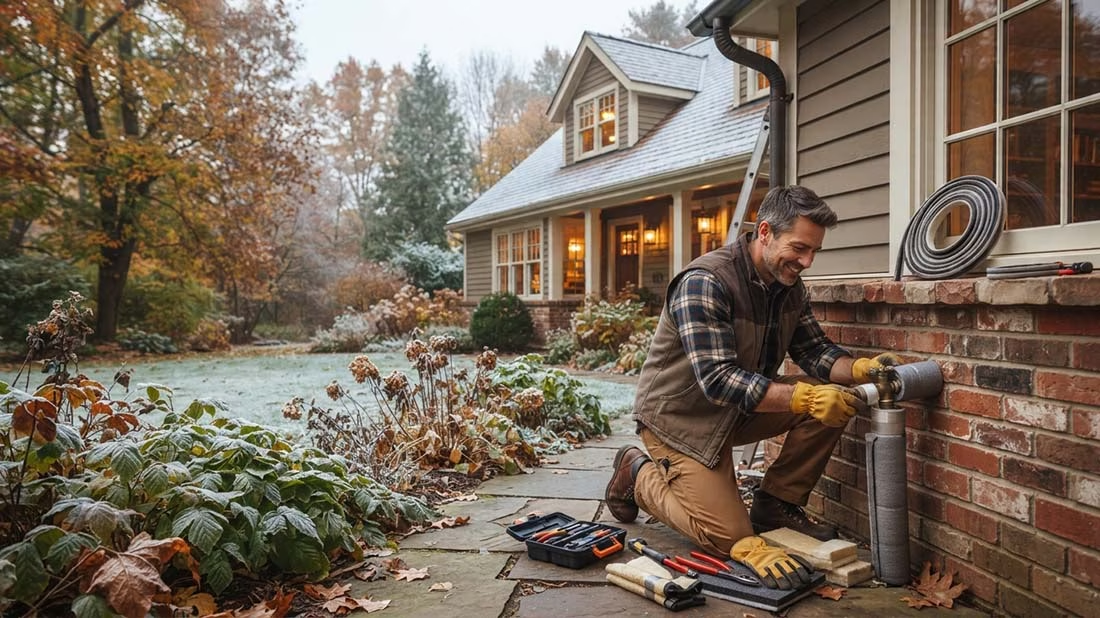
High-efficiency furnaces commonly use PVC intake and exhaust pipes that extend through an exterior wall or roof. These pipes allow the furnace to draw in air and release combustion gases.
Walk outside and check the visible openings for leaves, dirt, bird nests, or other obstructions.
If you notice damage, loose connections, or a blockage, contact an HVAC technician. Don’t remove or modify the pipes yourself.
This is an important part of fall furnace maintenance, particularly in areas where snow, ice, and falling leaves can block exterior openings.
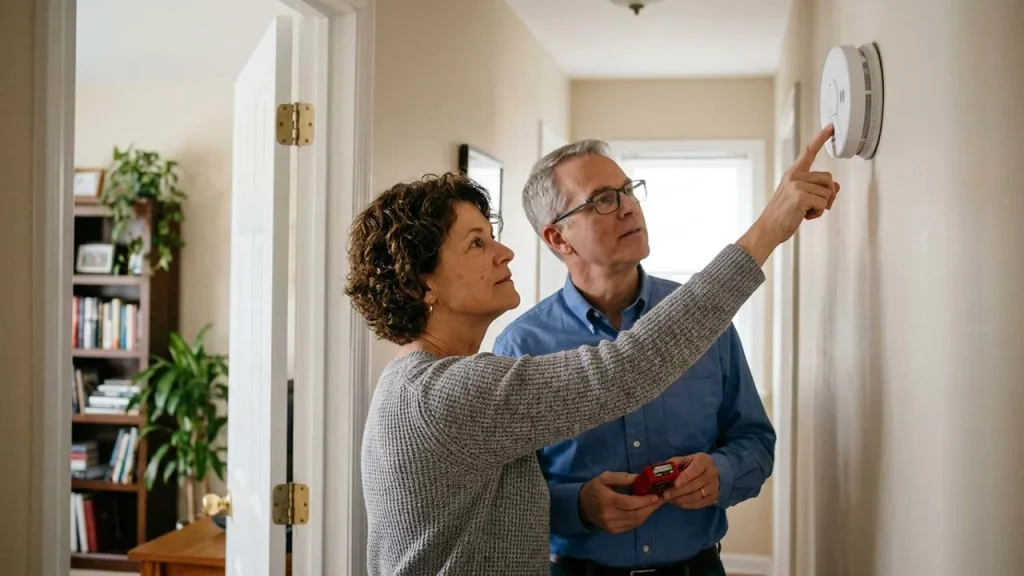
6. Test Carbon Monoxide and Smoke Detectors
This is one check you shouldn’t skip, especially if your home has a gas furnace.
Carbon monoxide (CO) is an odorless gas that can become dangerous when combustion equipment isn’t operating or venting properly.
Before winter:
- Press the test button on each CO detector.
- Test your smoke alarms.
- Replace batteries when needed.
- Check the expiration dates on the devices.
- Follow the manufacturer’s placement instructions.
Install CO alarms on every level of your home and outside sleeping areas, following local safety requirements.
If a CO alarm sounds, leave the house immediately and call emergency services from outside. Never assume the alarm is faulty.
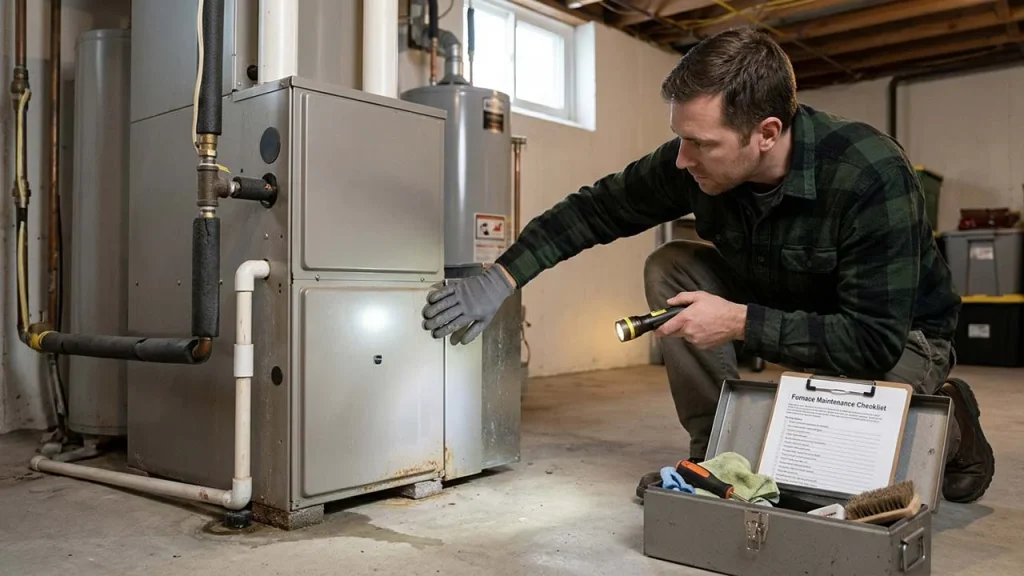
7. Inspect the Visible Furnace Cabinet and Surrounding Area
Take a moment to inspect the visible parts of your furnace and see if anything looks out of place. You don’t need to open the cabinet or remove internal components.
Check for:
- Water around the base of the furnace.
- Rust or corrosion on visible surfaces.
- Damaged insulation around accessible pipes.
- Unusual dust buildup.
- Visible signs of damage or loose exterior panels.
If you notice water collecting near your high-efficiency furnace, the drain system might not be getting rid of moisture properly. Don’t ignore it, as a blocked drain can cause the system to shut down or leak.
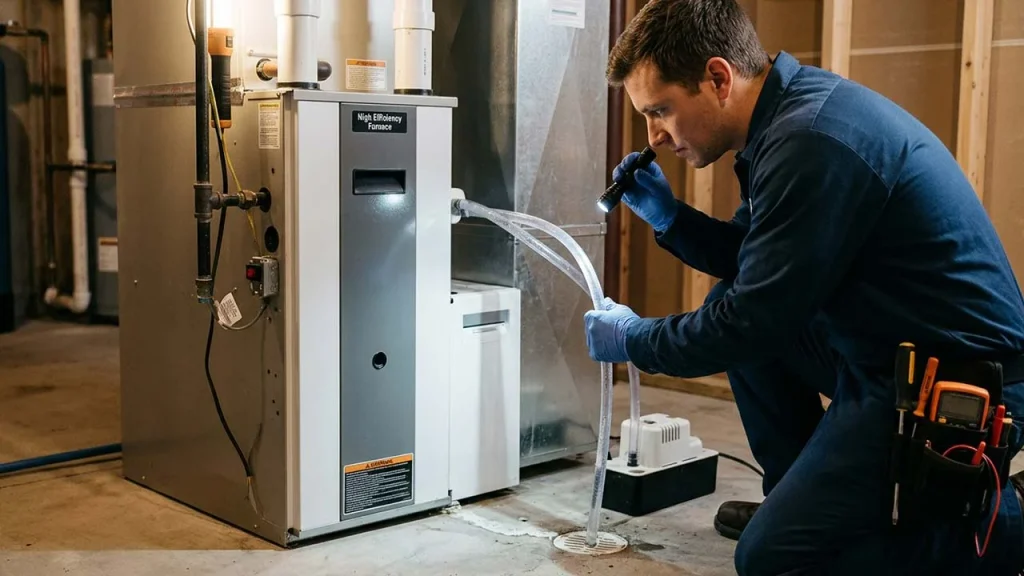
8. Check the Condensate Drain Line
High-efficiency furnaces naturally collect moisture as they run, which needs to drain away through a dedicated pipe. That water travels through a condensate drain line.
Look at the accessible drain tubing and surrounding area for leaks, standing water, or visible blockages.
If you notice water backing up or leaking, arrange service. Don’t disconnect the drain line or pour cleaning chemicals into it unless your manufacturer’s instructions specifically recommend a procedure.
Not every furnace has a condensate drain, so this step only applies to compatible models.
9. Listen for Unusual Noises During Operation
Switch on your furnace and pay attention to the sounds it makes as it starts up and warms your home.
Some noise is normal, but new or unusually loud sounds can indicate a developing problem.
Pay attention to:
- Banging: Could indicate an ignition or ductwork issue.
- Rattling: May come from loose panels or components.
- Squealing: Can point to a worn belt or motor-related problem.
- Humming: May be related to electrical or motor components.
- Repeated clicking: Could indicate an ignition or control issue.
Don’t remove panels to investigate internal noises. If something sounds different from normal, have a technician check it before the heating season begins.
10. Run Your Furnace Before the First Cold Night
Don’t wait until the temperature drops to find out whether your furnace works.
Choose a mild day in the fall and switch the thermostat to HEAT. Let the system run long enough to check whether it starts, produces warm air, and responds normally.
Watch for:
- Delayed startup.
- Weak or uneven airflow.
- Frequent starting and stopping.
- Unusual smells that don’t disappear.
- Air that remains cold after the normal startup period.
When you switch on your furnace for the first time in a while, you might notice a little dust-like odor that usually fades after a short time. However, a persistent burning smell, smoke, or gas odor needs immediate attention.
If you smell gas, leave the house without operating electrical switches or using open flames. Once you’re safely outside, contact your gas provider or local emergency responders for help.
What Does a Professional Furnace Tune Up Include?
The checks above cover basic homeowner maintenance, but they don’t replace a professional inspection.
A yearly furnace tune up allows a qualified HVAC technician to examine internal components, check combustion, and identify problems that aren’t visible from outside the unit.
During a typical service appointment, a technician may:
- Inspect and clean the burners.
- Check the heat exchanger for cracks or damage.
- Inspect the ignition system and flame sensor.
- Test gas pressure and combustion.
- Examine electrical connections and safety controls.
- Inspect the blower motor and fan assembly.
- Check the exhaust flue and vent connections.
- Inspect the condensate drain on applicable models.
- Test thermostat operation and overall heating performance.
The exact work depends on your furnace type, model, and manufacturer’s maintenance requirements.
It’s best to arrange this service in early fall rather than waiting until heating companies become busy during the first cold spell.
When Should You Schedule Fall Furnace Maintenance?
Don’t wait for chilly weather to expose a problem with your furnace. Give it some attention in early fall, while there’s still time to fix anything that isn’t working properly. .
Early fall is usually a good choice because you have time to address problems before winter arrives. It also gives you more flexibility when scheduling an HVAC technician.
If your furnace hasn’t been serviced in over a year, makes unusual noises, struggles to heat your home, or has started cycling frequently, don’t put off the inspection.
Regular furnace maintenance can help identify worn components, maintain proper airflow, and reduce the chance of unexpected breakdowns. It doesn’t guarantee that repairs won’t be needed, but it gives you a better opportunity to catch problems early.
No Comment! Be the first one.