



Fall often brings a few extra things to deal with around the house, making it a good opportunity to sort out small repairs before winter sets in. A loose roof shingle, clogged gutter, or small plumbing leak might not seem urgent now, but winter rain, snow, and freezing temperatures can make these issues much worse.
Following a fall home maintenance checklist helps you catch these problems early and get your property ready for the months ahead. You don’t have to complete everything in one day. Start with the areas that could cause water damage, heating problems, or safety concerns.
Here are 15 important repairs and maintenance tasks worth completing before winter.
1. Clean Gutters and Downspouts
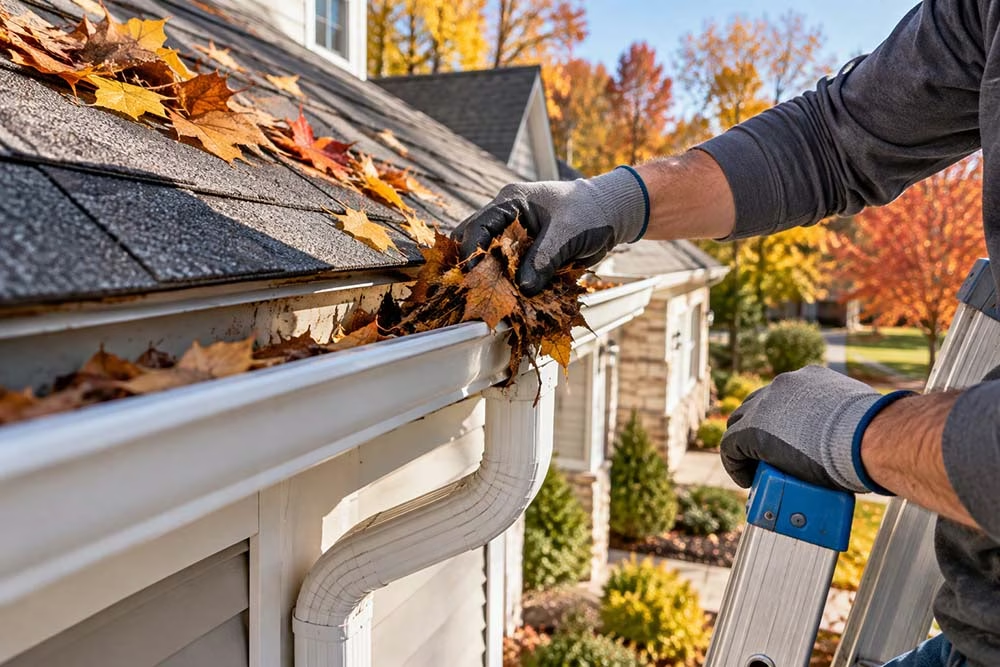
Fallen leaves, twigs, and dirt can collect inside gutters throughout autumn. When rainwater cannot flow through the system properly, it may spill over the edges and collect near your home’s foundation.
Clear out any leaves or dirt, then make sure water can flow freely through the downspouts and drain away from your home’s foundation. Look for loose gutter brackets, sagging sections, and damaged joints that need attention.
If your property has several large trees nearby, you may need to check the gutters more than once during fall.
2. Inspect the Roof for Damage
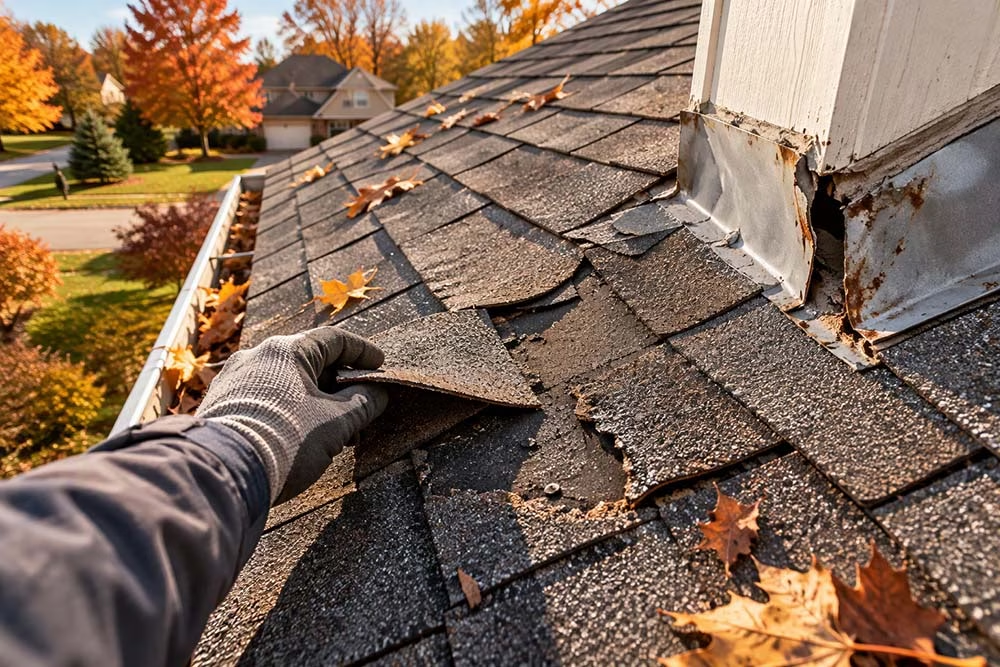
Summer storms and strong winds can leave behind loose shingles, damaged flashing, and other roofing problems. These issues deserve attention before winter weather makes repairs more difficult.
Look for missing or curled shingles from the ground. Also check the attic for damp insulation, dark patches, or water stains that could point to a roof leak.
Arrange a roofing inspection if you notice damaged areas. Avoid climbing onto a steep or slippery roof yourself.
3. Seal Gaps Around Windows and Doors
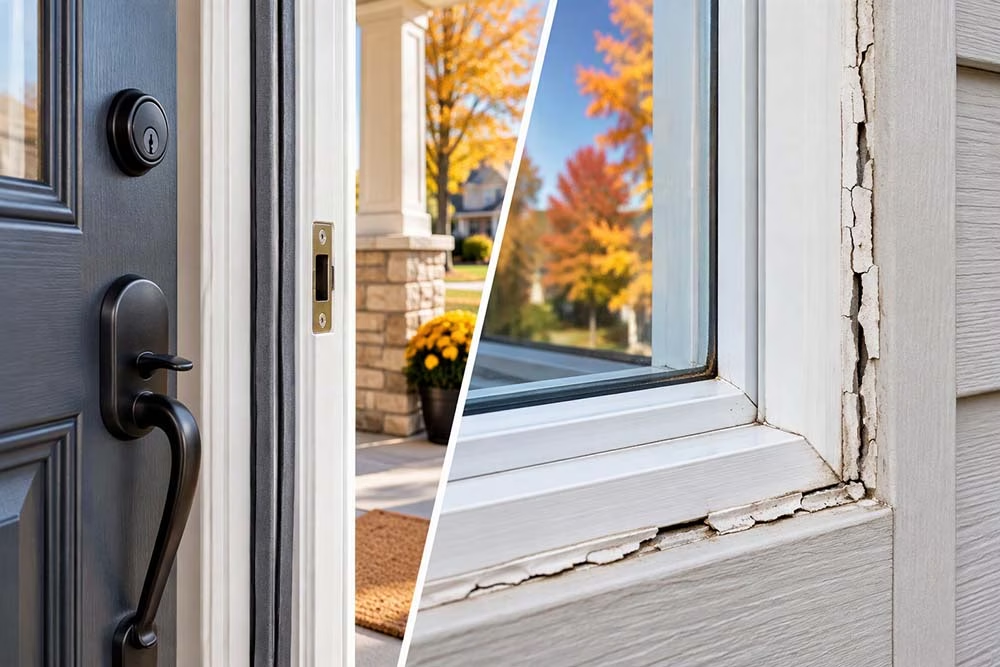
Small openings around windows and exterior doors allow cold air to enter your house. They can also make your heating system run longer than necessary.
Check the weatherstripping around door frames and inspect the caulking around window edges. Replace worn seals and fill suitable exterior gaps with weather-resistant caulk.
A door sweep can also help close the space beneath an exterior door. This simple fall home maintenance task can make rooms more comfortable when temperatures drop.
4. Schedule a Furnace and HVAC Inspection
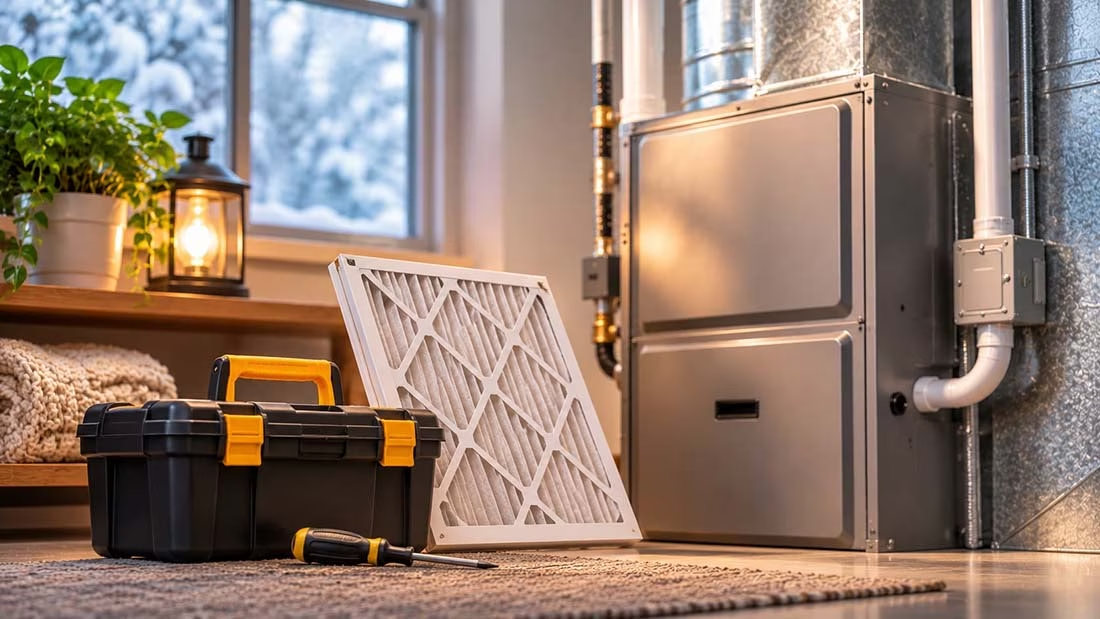
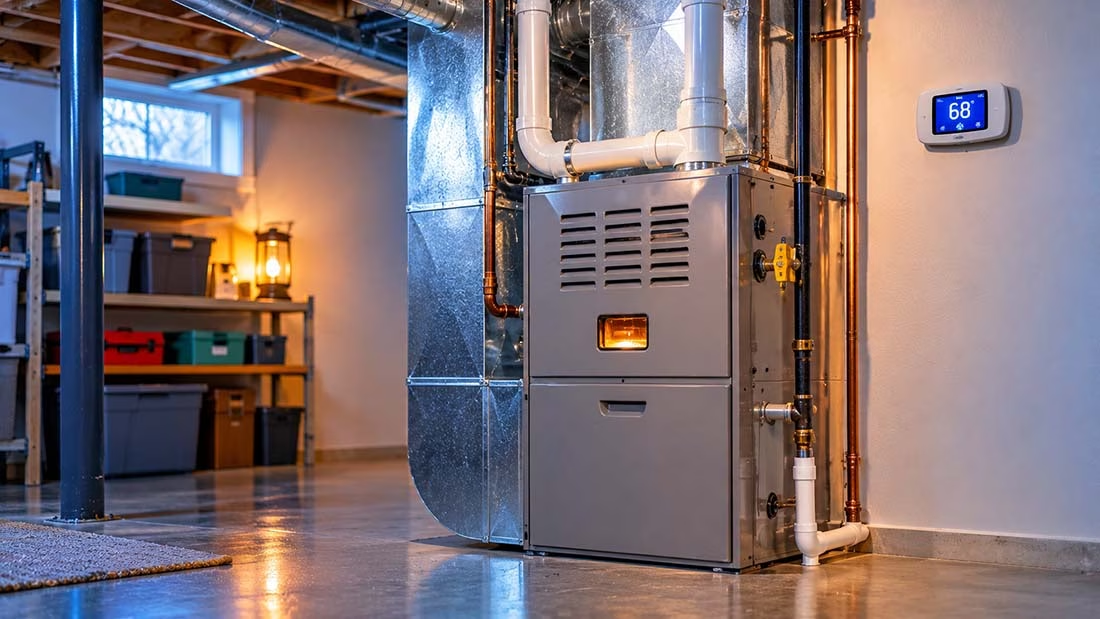
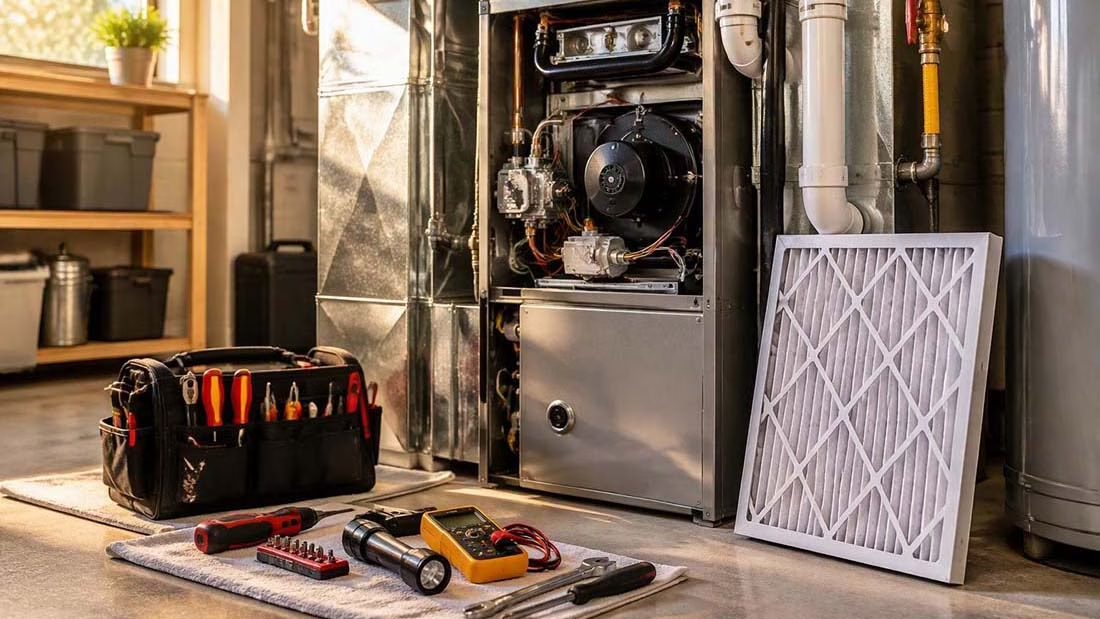
Your heating system may sit unused for several months before fall arrives. Run the heating system for a while and check whether it warms each room as expected before colder days make regular heating necessary.
Listen for unusual sounds, check the thermostat, and replace a dirty HVAC filter when necessary. It’s also a good time to schedule professional servicing. You can learn more about what a professional furnace tune-up includes and what it typically costs.
A technician can inspect important components, check system operation, and identify problems that might cause a breakdown during winter.
5. Test Smoke and Carbon Monoxide Detectors
Heating equipment, fireplaces, and other fuel-burning appliances make home safety checks especially important during colder months.
Press the test button on every smoke alarm and carbon monoxide (CO) detector. Replace batteries when needed and check the expiration dates on the devices.
Check that your home has working alarms outside bedrooms and throughout each floor, so everyone can hear them if an emergency occurs. Replace outdated units according to the manufacturer’s instructions.
6. Inspect and Clean the Fireplace and Chimney
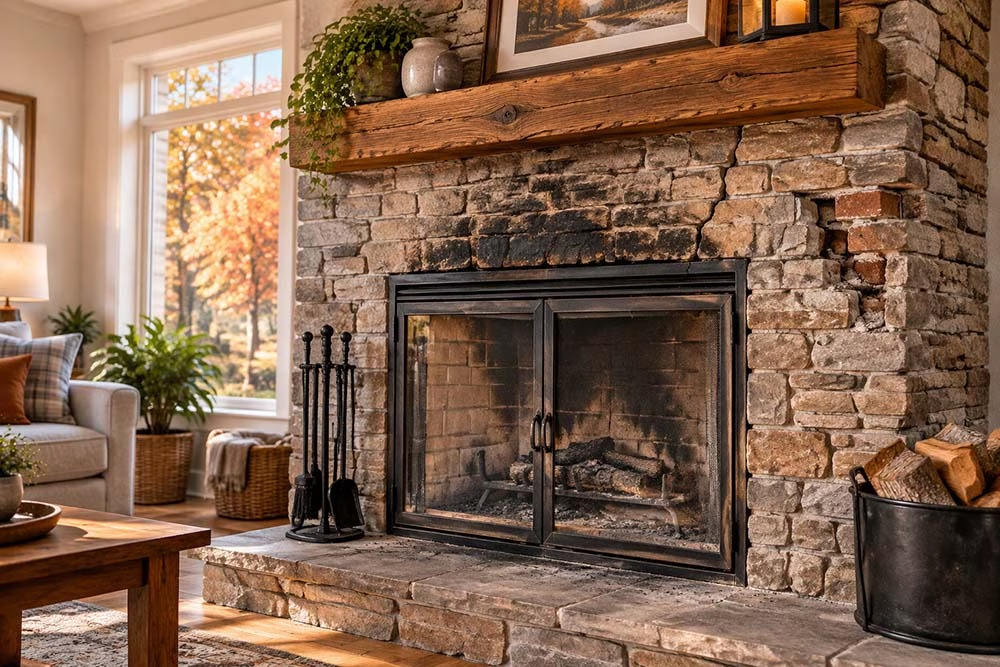
If you plan to use your fireplace during winter, check its condition before lighting the first fire.
Look for damaged fireplace doors, loose bricks, and visible cracks. A chimney professional can inspect the flue, identify creosote buildup, and determine whether cleaning is needed.
Never use a fireplace if you suspect a blocked chimney or damaged flue. These problems can create serious fire and ventilation hazards.
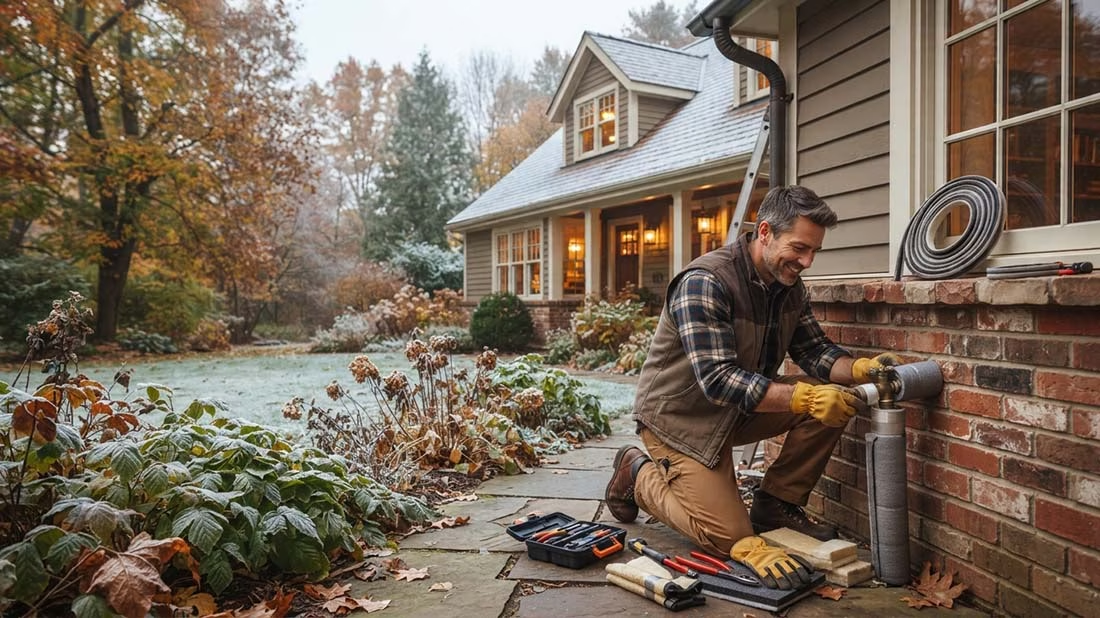
7. Disconnect and Store Garden Hoses
A hose left attached through a cold spell can trap water in the exterior plumbing, which may lead to freezing and damage when temperatures fall below freezing.
Disconnect all garden hoses, drain out the remaining water, and store them somewhere protected from the weather.
If your house has an indoor shutoff valve for exterior faucets, close it and follow the faucet manufacturer’s drainage instructions. An insulated outdoor faucet cover can provide additional protection.
8. Protect Exposed Water Pipes
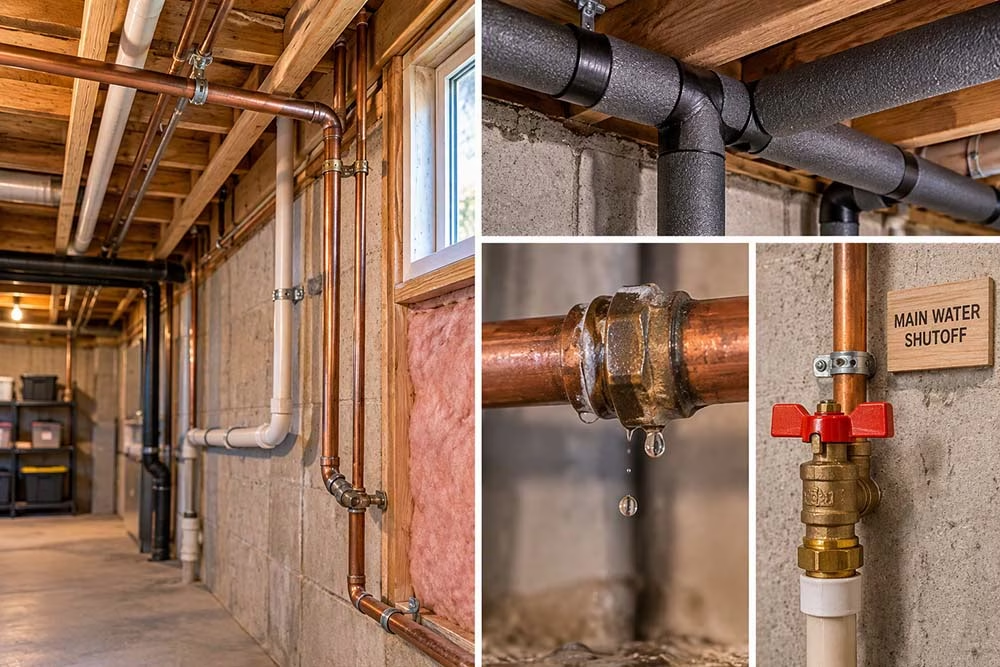
Pipes running through garages, crawl spaces, unfinished basements, and exterior walls may be exposed to freezing temperatures.
Check these areas for uninsulated plumbing and add suitable pipe insulation where needed. Pay particular attention to pipes located near vents, openings, or poorly insulated walls.
Repair dripping connections and investigate any signs of moisture. Also locate your main water shutoff valve so you can turn off the supply quickly if a pipe develops a leak.
9. Check the Water Heater
Your water heater will remain important throughout the colder months, so inspect it before winter arrives.
Look around the tank and its connections for moisture, rust, or signs of leakage. Check whether the temperature setting follows the manufacturer’s recommendations.
If you hear unusual popping sounds or notice inconsistent hot water, arrange an inspection. Avoid opening the unit or attempting internal repairs unless you’re qualified to do so.
10. Inspect Exterior Walls, Siding, and Caulking
Walk around your property and examine the siding, exterior trim, and painted surfaces.
Look for cracked caulking, peeling paint, loose siding, and gaps around utility lines. Damaged exterior materials can allow rainwater and cold air to enter areas that should remain protected.
Repair minor openings with suitable exterior materials. Have larger areas of damage checked before winter storms arrive.
11. Check Your Foundation and Yard Drainage
Water collecting near your foundation can become a bigger concern when temperatures change. Poor drainage may also contribute to basement moisture and unwanted mold growth.
Walk around the house after rainfall and check whether water is collecting near the walls. Look for soil erosion, damaged drainage extensions, and cracks that appear to be getting larger.
Make sure the ground slopes away from the foundation where possible. If you notice persistent water intrusion or significant foundation movement, contact a qualified professional.
12. Inspect the Attic and Basement
Attics and basements can hide problems that aren’t immediately noticeable in your living areas.
Check the attic for damp insulation, roof stains, pest activity, and visible openings. In the basement, look around plumbing connections and exterior walls for moisture or unusual odors.
Also check that attic insulation hasn’t been disturbed and that accessible ventilation openings are clear. Address any signs of leaks or pest entry before winter.
13. Clear Leaves and Trim Dangerous Tree Branches
Fallen leaves can cover walkways, block drainage areas, and make outdoor surfaces slippery after rain.
Rake leaves from the lawn, driveway, and patio. Clear debris around outdoor HVAC equipment without blocking its required airflow.
Look for dead or damaged branches hanging over your roof, driveway, or power lines. Have a qualified tree service handle large branches or anything that requires climbing.
14. Check Outdoor Lights and Electrical Fixtures
Shorter days mean you’ll rely more on outdoor lighting during fall and winter.
Test porch lights, garage lights, pathway fixtures, and motion sensors. Replace failed bulbs and check for loose or visibly damaged fixtures.
Also look for exposed wiring, cracked outlet covers, or electrical connections that may be affected by moisture. Leave electrical repairs to a licensed electrician.
15. Prepare Outdoor Equipment and Emergency Supplies
Outdoor equipment needs attention before freezing temperatures arrive. Clean and store lawn equipment according to its manufacturer’s instructions, cover patio furniture, and prepare snow-removal equipment if your area receives snowfall.
It’s also worth checking your household emergency supplies. Keep flashlights, fresh batteries, a first-aid kit, warm blankets, and portable phone chargers in an accessible place.
If you own a backup generator, test and maintain it according to the manufacturer’s instructions. Never operate a fuel-powered generator inside your house, garage, or another enclosed space.
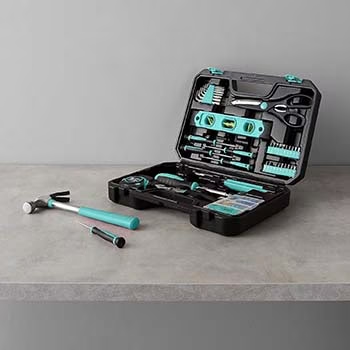
The Amazon Basics 142-piece tool kit offers essential hand tools for everyday home repairs and maintenance, all in one compact storage case.
When Should You Start Fall Home Maintenance?
The best time to begin is early fall, while outdoor temperatures are still comfortable enough for inspections and repairs.
You can divide your fall home maintenance checklist into three stages:
- Early fall: Inspect the roof, service your heating system, check windows and doors, and examine exterior walls.
- Mid-fall: Clean gutters, clear leaves, inspect drainage, and check your attic and basement.
- Before the first freeze: Disconnect garden hoses, protect exposed pipes, winterize outdoor plumbing, and test your safety equipment.
Your exact schedule will depend on your local climate. Homeowners in colder northern states may need to finish plumbing protection earlier than those in areas with milder winters.
Final Thoughts
A little preparation in autumn can help you avoid several common household problems during winter. From checking the roof to protecting exposed pipes, each task on this fall home maintenance checklist has a practical purpose.
You don’t need to tackle every repair at once. Work through the list, deal with urgent problems first, and bring in qualified professionals when a job involves roofing, electrical systems, or heating equipment.
Regular home maintenance also makes it easier to spot developing problems before they turn into expensive repairs. Keep this maintenance checklist handy and revisit it every fall to help your house stay safe, comfortable, and ready for colder weather.
How to Winterize a House Before the First Freeze: 10 Essential Steps
Furnace Tune Up: What It Includes, Cost, and Benefits
No Comment! Be the first one.