

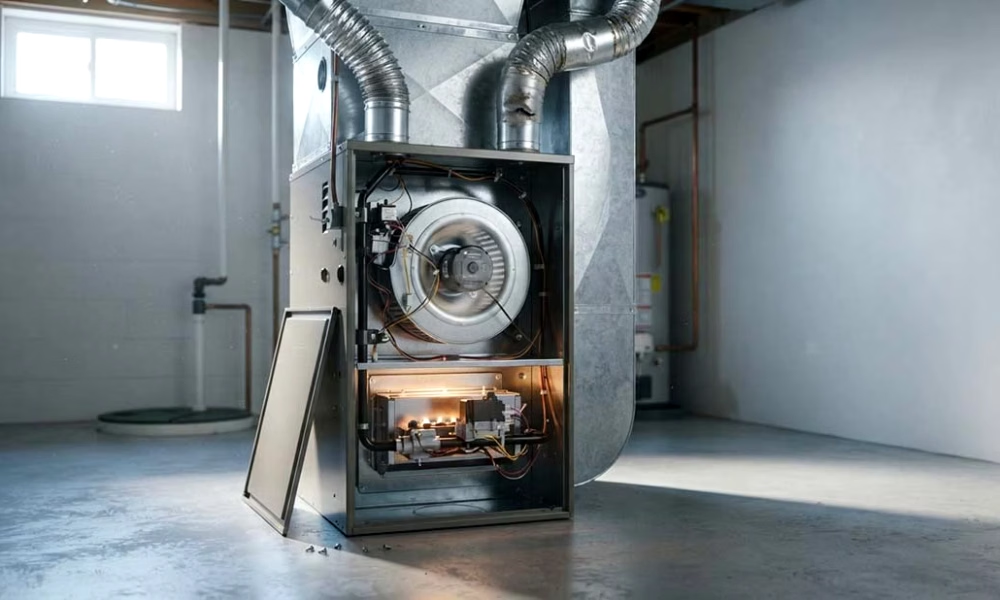
A furnace usually makes a little noise while heating your home, but sudden banging, rattling, or squealing sounds are worth investigating. Some noises come from loose panels or expanding ductwork, while others can point to worn motors, ignition problems, or restricted airflow.
If you notice your furnace making noise more often than usual, pay attention to when the sound starts and whether it gets louder during operation. Identifying the type of noise can help you understand what might be wrong and whether you need professional repairs.
Here are nine common reasons behind unusual furnace noises, along with practical steps to deal with them.
Disclosure: This article contains affiliate links. We may earn a small commission if you purchase through these links, at no extra cost to you.
1. Banging or Popping Sounds
When your furnace starts with a sudden booming sound, it may mean the gas isn’t lighting as quickly as it should. This happens when gas takes longer than expected to ignite, allowing it to build up before lighting. The result is a sudden popping or booming sound.
Sometimes, the noise comes from metal ductwork expanding as warm air moves through it.
How to fix it:
- A loud bang during startup is a warning sign, so stop using the furnace and have an HVAC professional check it before turning it back on.
- If the sound comes from the ducts, ask an HVAC technician to check for loose or poorly supported sections.
- Take a quick look at the furnace filter and put in a fresh one if it has collected too much dust.
Repeated booming during startup should never be ignored because delayed ignition can damage furnace components.
2. Squealing or Screeching Sounds
A high-pitched squeal often points to a problem with the blower motor or its bearings.In older systems, a worn belt may lose its grip while the blower is running, causing an unpleasant noise from inside the unit.
If your furnace making loud noise accompanied by a sharp squealing sound, a moving part may be struggling to operate properly.
How to fix it:
- If the squealing continues or becomes too loud, stop running the furnace and have it checked by an HVAC professional.
- Have a technician inspect the blower motor, bearings, and belt if your model uses one.
- Replace worn components rather than allowing them to cause further damage.
Avoid applying oil or lubricant to internal parts unless your furnace manufacturer specifically recommends it.
3. Rattling or Vibrating Sounds
Among the different sounds a heating system can make, furnace noises like rattling are often caused by loose parts or vibrations. It can happen when screws become loose, an access panel is not properly secured, or a component starts vibrating during operation.
Sometimes, the noise comes from loose duct connections rather than the furnace itself.
How to fix it:
- Turn off the furnace before checking its exterior panels.
- Make sure the access door is properly positioned.
- Look for loose objects around the furnace cabinet.
- If the sound doesn’t stop after these checks, have an HVAC professional take a closer look at the furnace.
A persistent rattle deserves attention, especially when it starts suddenly or becomes louder over time.
4. Humming or Buzzing Sounds
A gentle hum during normal operation is usually nothing to worry about. However, a louder or continuous furnace humming noise may indicate an electrical issue, a failing capacitor, or trouble with the blower motor.
You might also hear buzzing when a loose panel vibrates against the furnace cabinet.
How to fix it:
- Check whether the exterior access panel is sitting properly.
- Notice whether the humming gets louder or changes once the blower starts.
- If the humming becomes loud or the blower fails to start, switch off the system and call an HVAC technician.
Electrical components should only be tested or replaced by someone qualified to work on furnaces.
5. Clicking Sounds
A few clicks when the furnace starts or shuts down can be normal.You may hear a few clicks as the furnace responds to a heating request or prepares to start its heating cycle.
However, repeated clicking without the furnace producing heat could indicate a faulty igniter, flame sensor, or control component.
How to fix it:
- Check your thermostat settings.
- Make sure the furnace filter is not clogged.
- If clicking continues without heat, arrange a professional inspection.
Leave gas-related adjustments and ignition problems to a trained HVAC professional rather than trying to fix them on your own.
If your furnace clicks repeatedly but still doesn’t produce warm air, read our guide on why your furnace is not heating to explore other possible causes.
6. Whistling or Hissing Sounds
A whistling sound often develops when air moves through a narrow opening. A dirty filter, blocked return vent, or undersized duct can restrict airflow and make the furnace work harder.
Loose duct connections may let pressurized air escape, making a hissing sound.
How to fix it:
- Replace a dirty air filter with the correct size and type.
- Keep furniture, rugs, and other household items from covering the air vents.
- Have an HVAC professional check the ducts for air leaks or anything that might be limiting airflow.
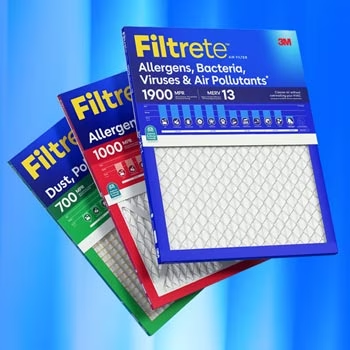
A dirty filter can restrict airflow. Replace it with a properly sized pleated filter that meets your furnace’s MERV requirements.
Filtrete pleated filters help capture dust and airborne particles.
If you hear hissing along with a rotten-egg smell, leave the house and contact your gas utility or emergency services from a safe location.
7. Grinding or Scraping Sounds
Don’t ignore a grinding noise coming from your furnace. It could be a sign that the motor is damaged or the fan assembly is moving unevenly and making contact with nearby components.
Continuing to run the furnace in this condition can cause additional damage.
How to fix it:
Stop using the heating system for now and have an HVAC professional check what is causing the problem. A technician can check the blower assembly, motor bearings, and fan wheel to find the source of the noise.
Do not keep running the system to see whether the grinding disappears.
8. Clanking or Metallic Knocking
A metallic clanking sound can develop when a loose internal component moves around while the furnace is running. A damaged blower wheel or an unsecured motor mount may also create this type of noise.
In some cases, the sound comes from nearby metal ductwork shifting as air pressure changes.
How to fix it:
- Remove any items near the furnace that could shift or vibrate while it runs.
- Make sure the external panels are properly secured.
- If the noise appears to come from inside the unit, have a technician inspect it.
Avoid opening the furnace cabinet to investigate moving components.
9. Chirping or Whirring Sounds
A repeated chirping or unusual whirring noise may point to a worn inducer motor, blower issue, or another moving component.
The inducer motor helps move combustion gases through the venting system. When its bearings wear out or the assembly develops a problem, it may produce an unusual sound.
How to fix it:
Listen to determine whether the noise starts before the burners ignite or when the blower begins running. Share this information with your HVAC technician so they can narrow down the problem.
A professional should inspect the motor and venting system before replacing any parts.
When to Call an HVAC Technician for a Furnace Making Noise
Not every unusual sound means your furnace needs an expensive repair. However, certain warning signs should not be ignored.
Contact a qualified HVAC technician if:
- Your furnace produces repeated banging or booming sounds.
- You hear grinding or metal scraping.
- The furnace making loud noise also struggles to produce heat.
- You notice burning smells or electrical buzzing.
- The system repeatedly clicks without starting.
- The noise becomes worse with each heating cycle.
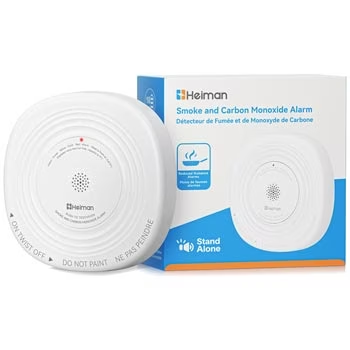
Important: If your carbon monoxide alarm sounds, get everyone outside immediately and call emergency services. Do not re-enter until authorities say it is safe. If you smell natural gas, leave the property and contact your gas utility or emergency services from a safe location.
10-year battery providing long-term protection against dangerous carbon monoxide buildup in your home.
How to Prevent Unusual Furnace Noises
Regular maintenance can help catch worn parts and airflow problems before they develop into bigger repairs.
Following a regular furnace maintenance checklist can help you identify potential problems early and keep your heating system in good condition.
A few simple habits can also make a difference:
- Replace your furnace filter according to its condition and manufacturer recommendations.
- Keep return and supply vents clear.
- Schedule a professional furnace inspection once a year.
- Pay attention to new sounds instead of waiting for them to disappear.
- Leave enough open space around the furnace instead of using that spot for storage.
These steps help your heating system operate more reliably and make it easier to spot problems early.
FAQs
Is it normal for a furnace to make noise?
Yes. A furnace normally produces some airflow and mechanical sounds while operating. However, sudden banging, grinding, or persistent squealing should be investigated.
Why is my furnace suddenly making a loud noise?
A sudden increase in noise can result from loose components, restricted airflow, worn motor bearings, or ignition problems.Different sounds and the moments they occur can give you useful clues about what’s going wrong inside your furnace.
Is a humming furnace dangerous?
A soft, steady hum is generally normal. A loud or unusual furnace humming noise may indicate an electrical or motor problem that needs professional attention.
Should I turn off my furnace if it starts making strange noises?
It depends on the sound. A loud boom, grinding, or unusual noise accompanied by burning or gas smells requires immediate action. For less serious sounds, arrange an inspection if they persist or become worse.
Can regular maintenance prevent furnace noises?
Regular servicing helps identify loose components, dirty filters, and worn parts before they cause more noticeable problems. It cannot prevent every issue, but it can reduce the chances of unexpected breakdowns.
Why Is My Furnace Not Heating? 10 Common Causes to Check
No Comment! Be the first one.