



Getting your house ready for colder weather involves more than turning up the thermostat and bringing out the blankets. Leaking pipes, drafty windows, poor ventilation, and damaged seals can all cause problems once temperatures start dropping. If you want to prepare your home for winter, a room-by-room inspection is a practical way to catch these issues before they become bigger repairs. Taking time to winterize your home before the first cold spell can also help reduce drafts, protect plumbing, and avoid unexpected repair costs.
This guide covers the areas homeowners often overlook, from the kitchen and bathroom to the basement, attic, and garage. Use this winterize house checklist to work through your home, identify potential problems, and decide which repairs or improvements need attention before freezing weather arrives.
Prepare Your Home for Winter Before the First Freeze
Before temperatures drop below freezing, check that outdoor hoses are disconnected, exposed pipes are insulated, and your heating system is working properly. If you plan to travel, keep your thermostat set to at least 55°F (13°C) so indoor pipes are less likely to freeze.
1. Living Room: Check Heating and Airflow
Your living room is often one of the first places you’ll notice when your home starts feeling colder. Check that your heating system can warm the space properly.
- Inspect heating vents: Move furniture, rugs, and curtains away from supply vents and return grilles so air can circulate freely.
- Look for cold drafts: Check around windows, exterior doors, and electrical outlets for noticeable air leaks. Replace damaged weatherstripping or seal suitable gaps.
- Check the fireplace: If you use a wood-burning fireplace, arrange a chimney inspection and cleaning when needed. Remove ashes only after they’ve completely cooled.
- Test safety alarms: Press the test button on your smoke and carbon monoxide alarms. Replace batteries or units when necessary.
These checks are a good starting point when following a winterize house checklist, particularly if your family spends most evenings in the living room.
2. Kitchen: Inspect Cabinets and Plumbing
Kitchen plumbing deserves attention before freezing weather, especially when the sink sits against an exterior wall.
- Check beneath the sink: Look for dripping connections, water stains, or dampness around pipes.
- Protect exposed plumbing: Fit suitable pipe insulation around water lines in unheated areas.
- Clean the exhaust fan: Remove grease buildup from the filter using a cleaning method suitable for its material.
- Check windows: Look for cracked caulk or damaged seals that could let cold air inside.
A quick inspection can help you find plumbing and ventilation problems before winter arrives.
3. Bathroom: Prevent Moisture and Mold
Bathrooms collect moisture throughout winter, particularly when windows remain closed and ventilation is poor.
- Examine the shower and bathtub: Check the caulk around edges and corners. Replace sections that are cracked or peeling.
- Test the exhaust fan: Turn it on and make sure it removes humid air effectively.
- Inspect under the vanity: Look for leaks around drain connections and water supply lines.
- Check windows and walls: Watch for condensation, peeling paint, or dark spots that could indicate moisture problems.
Keeping this room dry is an important part of winterizing a home, especially if poor ventilation has caused problems in the past. Check that the exhaust fan is working properly and allow moisture to escape after showers to help prevent condensation and mold growth.
4. Bedroom: Prepare Windows and Bedding
Bedrooms should stay comfortable without making your heating system work harder than necessary.
- Check window seals: On a windy day, run your hand around the frames to feel for incoming air.
- Inspect curtains: Heavier curtains can help reduce the chilly feeling near windows. Keep them away from heating equipment.
- Check exterior doors: Make sure weatherstripping is intact and the door closes tightly.
- Prepare seasonal bedding: Wash and store summer bedding, then bring out blankets and comforters for colder nights.
If a bedroom has an unusually cold exterior wall, check for insulation or air leakage problems rather than relying only on extra blankets.
5. Laundry Room: Check the Dryer Vent
The laundry room is easy to overlook, but a few simple checks can help prevent problems.
- Clean the lint screen: Remove lint after every load to maintain proper airflow.
- Inspect the dryer vent: Check accessible sections for lint buildup, loose connections, or visible damage.
- Look for moisture: Check washer hoses and water connections for leaks.
- Check the floor drain: If your laundry room has one, make sure it is clear.
A restricted dryer exhaust can increase drying time and create a fire hazard. Arrange professional cleaning if lint has accumulated inside the ductwork.
6. Basement and Crawl Space: Look for Cold Spots and Leaks
Basements and crawl spaces often contain plumbing that receives little warmth from the main living areas.
- Inspect water pipes: Look for exposed plumbing near foundation walls and other cold areas.
- Check for water intrusion: Look for damp patches, water stains, or signs of previous leaks.
- Test the sump pump: If your home has one, check that it operates correctly and its discharge line is clear.
- Inspect insulation: Look for missing, damaged, or damp insulation.
- Check air leaks: Seal appropriate openings without blocking required ventilation.
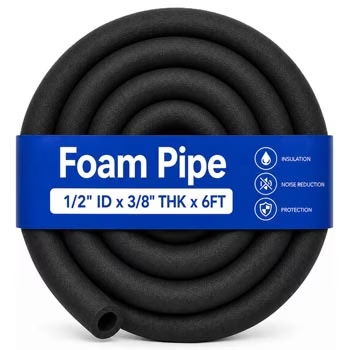
Include these spaces when winterizing a house because plumbing and moisture problems can go unnoticed until damage occurs. Insulating exposed water lines and sealing suitable air leaks can help protect vulnerable areas when outdoor temperatures fall below freezing.
Foam pipe insulation helps protect exposed water pipes from freezing temperatures.
7. Attic: Inspect Insulation and Roof Leaks
A poorly maintained attic can contribute to heat loss and moisture problems.
- Check insulation: Look for areas where insulation is missing, compressed, or damaged.
- Look for roof leaks: Water stains on rafters or the underside of the roof may indicate a problem.
- Keep ventilation clear: Make sure insulation hasn’t covered soffit vents or other required ventilation pathways.
- Inspect the attic access door: Check that it closes properly and has suitable insulation and weatherstripping.
If you find damp insulation or signs of a roof leak, investigate the cause rather than simply covering the affected area.
8. Garage: Protect Pipes and Stored Items
Garages can become surprisingly cold during winter, especially when they have gaps around the main door.
- Inspect the garage door seal: Replace the bottom rubber strip if it’s cracked or leaving gaps.
- Protect exposed pipes: Insulate water lines running through cold sections of the garage.
- Store vulnerable products safely: Move paints and other temperature-sensitive materials somewhere suitable according to their labels.
- Check the connecting door: Make sure the door leading into your house closes properly and has intact weatherstripping.
Never run a vehicle inside an attached garage, even with the garage door open.
9. Entryway and Hallway: Stop Drafts at the Entrance
The front entrance gets frequent use, so worn seals and gaps can easily go unnoticed.
- Inspect the front door: Look for loose hinges, damaged seals, and gaps around the frame.
- Check the door sweep: Replace it if you can see daylight underneath the closed door.
- Examine the letter slot: Make sure its cover closes properly.
- Prepare a winter entry area: Keep a washable mat and shoe tray near the entrance to catch water and dirt.
These small improvements can make your entrance more comfortable during wet and snowy weather.
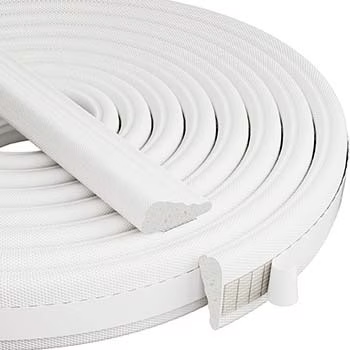
Weatherstripping helps seal gaps around doors and reduce cold drafts during winter.
10. Outdoor Areas: Check Gutters, Faucets, and Drainage
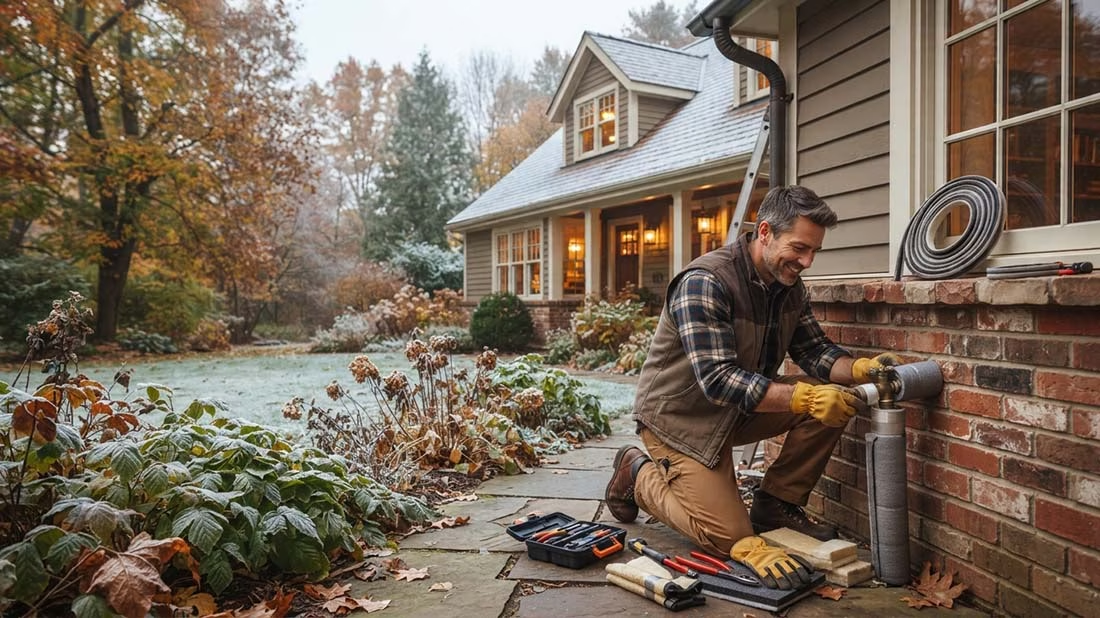
Once you’ve finished checking inside, walk around the outside of your house. Rain, ice, and snow can expose problems around the property. As you winterize your home, pay attention to clogged gutters, standing water, and unprotected outdoor faucets, since these can lead to drainage issues, frozen pipes, and other weather-related damage.
- Clean the gutters: Remove accumulated leaves and check that downspouts carry water away from the foundation.
- Protect outdoor faucets: Disconnect garden hoses, drain them, and follow the manufacturer’s instructions for protecting exterior faucets.
- Inspect the roof: Look for damaged shingles, loose flashing, and other visible signs of wear.
- Check drainage: Make sure water isn’t collecting near the foundation.
- Store outdoor equipment: Move garden tools, cushions, and other vulnerable items into a dry place.
If you need more detailed instructions, read our guide on protecting outdoor plumbing and preparing your house for the first freeze.
Working through these jobs helps you winterize your home and reduce the risk of weather-related damage.
FAQs
When should I prepare my home for winter?
Start in early fall, before temperatures begin dropping consistently. Check outdoor plumbing, heating equipment, and roofing before the first expected freeze.
What rooms should I check first when preparing for winter?
Start with the kitchen, bathroom, basement, and garage because these areas often contain exposed plumbing or moisture-prone spaces. Then check bedrooms, living areas, the attic, and entryways.
What should a winter home maintenance checklist include?
Include heating inspections, pipe protection, window and door sealing, gutter cleaning, roof checks, bathroom ventilation, and smoke and carbon monoxide alarm testing.
Can I winterize my house without professional help?
Many basic jobs can be handled yourself, including checking window seals, cleaning accessible areas, and inspecting visible plumbing. Furnace servicing, electrical repairs, chimney work, and major roof repairs should be left to qualified professionals.
Why Is My Furnace Making Noise? 9 Common Causes and Fixes
No Comment! Be the first one.